
AC Repair in Des Moines, IA: A Homeowner's Guide to Troubleshooting Cooling Issues
When your AC fails, knowing if it's a quick fix or professional repair is stressful. Get common homeowner questions answered and decide with confidence.
Our Location
6304 SW 7th St, Des Moines, IA 50315
Office Hours
Mon-Fri: 7am - 5pm
When your AC fails, knowing if it's a quick fix or professional repair is stressful. Get common homeowner questions answered and decide with confidence.
Sudden Cooling Failures: Navigating the Initial Panic
Your thermostat reads 82 degrees, the vents are completely silent, and finding common homeowner questions answered is suddenly your top priority. In our years of providing HVAC solutions to the local area, we know firsthand how a sudden air conditioning breakdown creates immediate discomfort and a lot of stress, especially when you are unsure what actually went wrong. The heat builds quickly, and your first thought is usually a mix of frustration and concern over a potentially expensive repair bill.
Before you assume the entire system needs to be replaced, take a step back. The most important decision you make right now is determining whether this cooling failure requires a simple reset or a professional dispatch. Many air conditioning issues stem from minor, easily correctable problems that do not require specialized tools. By relying on a structured HVAC troubleshooting FAQ approach, you can safely assess the situation, prevent unnecessary service fees, and figure out the right next steps. If you run through the basics and still need help, reaching out for AC repair service in Des Moines ensures your home gets back to a comfortable temperature quickly.
Immediate AC Triage: 4 Safe Steps for Homeowners
When the house is warming up, a methodical approach is the best way to regain control of the situation. Before calling for comprehensive air conditioning services, run through this basic homeowner checklist. These four steps form the foundation of any reliable HVAC troubleshooting FAQ and can often resolve minor hiccups without a service call.
- Check the thermostat settings: This sounds overly simple, but it is a frequent culprit. Verify that the thermostat is explicitly set to "cool" rather than "fan" or "heat." Next, ensure the set temperature is at least three to five degrees below the current room temperature. If the thermostat screen is blank, replace the batteries.
- Inspect the air filter: Locate your return air vent or the filter slot on the indoor air handler. Pull the filter out and hold it up to a light source. If you cannot see light shining through the pleated material, the filter is completely blocked and must be replaced immediately.
- Verify the electrical circuit breaker: Air conditioners draw a significant amount of power, and a temporary power surge can easily trip the breaker. Go to your main electrical panel and look for the switches labeled for the AC or HVAC system. If a switch is sitting in the middle position, flip it entirely to "off," wait ten seconds, and then push it firmly to "on."
- Look for visible ice or debris: Walk outside to the condenser unit and ensure no heavy branches, leaves, or tarps are blocking the metal fins. Then, check the copper refrigerant lines running from the outdoor unit into your house. If you see thick white ice forming on the pipes or the indoor unit, turn the system off immediately to let it thaw.

Air Filters and Airflow: The Most Common Culprit
If you consult any standard HVAC troubleshooting FAQ, you will find that restricted airflow is the leading cause of sudden system failures. Your air conditioner relies on a precise volume of air moving across the indoor evaporator coil to absorb heat. The air filter acts as the primary gatekeeper for this airflow, designed to catch dust, pet dander, and debris before they can coat the sensitive internal components of your blower motor and coil.
When a filter is left in place too long, that protective barrier turns into a solid wall. Our technicians routinely pull out filters so clogged that the blower motor has to work twice as hard to pull air through the material. According to data from Energy.gov, replacing a dirty, clogged filter with a clean one can lower your air conditioner's energy consumption by 5 to 15 percent. More importantly, it prevents the system from overheating and shutting down prematurely.
Symptoms of a Clogged Air Filter
How do you know if your filter is causing the problem? Look for these specific operational patterns:
- Short cycling: The air conditioner turns on for just two or three minutes, shuts off abruptly, and then turns back on shortly after. This happens because the system overheats and triggers a safety shutoff.
- Weak airflow: You hold your hand over a supply register and barely feel a breeze, even though you can hear the system running loudly in the background.
- Unusual heat buildup: The indoor air handler feels physically hot to the touch because the blower motor is straining against the static pressure of the blocked filter.
| System Condition | Airflow Volume | Energy Consumption | Risk of Breakdown |
|---|---|---|---|
| Clean, New Filter | Optimal (100%) | Normal Baseline | Very Low |
| Slightly Dusty Filter | Reduced (~85%) | Slightly Elevated | Low |
| Severely Clogged Filter | Severely Restricted (<50%) | 15% Higher than Baseline | Extremely High |
Battling Summer Humidity: Condensate Drains and Frozen Coils
Air conditioning systems do more than just lower the temperature; they also act as massive dehumidifiers. This function is heavily tested during July and August. Our team sees firsthand how Des Moines summer humidity specifically causes rapid condensate drain clogs and heavy strain on cooling systems. As warm, sticky air blows across the cold indoor evaporator coil, moisture is pulled out of the air. This moisture turns into water droplets, which drip down into a drain pan and flow outside through a white PVC pipe.
When the humidity is high, the system produces gallons of water every single day. If dust or algae builds up inside that PVC pipe, the water has nowhere to go. This is a scenario covered in almost every HVAC troubleshooting FAQ because the resulting backup can shut down your entire system.
Identifying a Clogged Condensate Drain
Modern air handlers are equipped with a safety shutoff switch located near the drain pan. If the drain line clogs and water begins to pool, a small float switch rises. Once the water hits a certain level, the switch intentionally cuts power to the thermostat to prevent the water from overflowing and flooding your ceiling or basement floors. If your thermostat screen is blank or the system refuses to turn on despite having power at the breaker, a tripped float switch is a highly likely cause.
Furthermore, the combination of high humidity and poor airflow (often from a dirty filter) creates a chain reaction that leads to frozen evaporator coils. The moisture condenses on the coil, but without enough warm air blowing across it, the temperature drops below freezing. The condensation turns to ice, eventually encasing the entire coil in a solid block. If you spot ice, the safest action is to turn the thermostat from "cool" to "off" and turn the fan setting to "on." This forces warm unconditioned air over the coil to melt the ice safely. Scheduling regular AC maintenance and tune-ups helps keep the drain lines clear and the coils clean before the heavy summer humidity arrives.
Refrigerant Leaks and High-Voltage Components: What Not to Touch
While checking filters and resetting breakers are perfectly safe homeowner tasks, there is a hard line where DIY troubleshooting must stop. A reliable HVAC troubleshooting FAQ always outlines the boundaries of safe maintenance. Your air conditioning system operates on high-voltage electricity and pressurized chemicals, both of which require specialized training to handle safely.
The outdoor condenser unit runs on 240 volts of electricity. Attempting to inspect or replace electrical components like the dual run capacitor, the contactor relay, or the fan motor wiring exposes you to severe shock hazards. Even when the main breaker is turned off, the capacitor stores a high-voltage electrical charge that can discharge unexpectedly. These components must be tested with professional multimeters and safely discharged by a trained technician.
Similarly, the refrigerant that cools your home is heavily regulated. Handling HVAC refrigerants safely requires EPA Section 608 certification. It is illegal and highly dangerous for an unlicensed individual to attempt to buy, handle, or recharge refrigerant. If your system is low on refrigerant, it means there is a physical leak in the copper lines or the coils. Adding more without repairing the leak just wastes money and harms the environment. Attempting these repairs yourself will almost certainly void your manufacturer warranty. If your system is aging and repeatedly leaking refrigerant, reviewing an AC replacement survival guide is often a better long-term strategy than paying for constant chemical recharges.
When Triage Fails: Transitioning to Professional Service
You have checked the thermostat, replaced the clogged air filter, verified the electrical breakers, and ensured there is no ice on the coils. If the system still refuses to cool the house, you have successfully exhausted the homeowner triage steps. This is the exact transition point where a professional diagnostic is required to find the root cause.
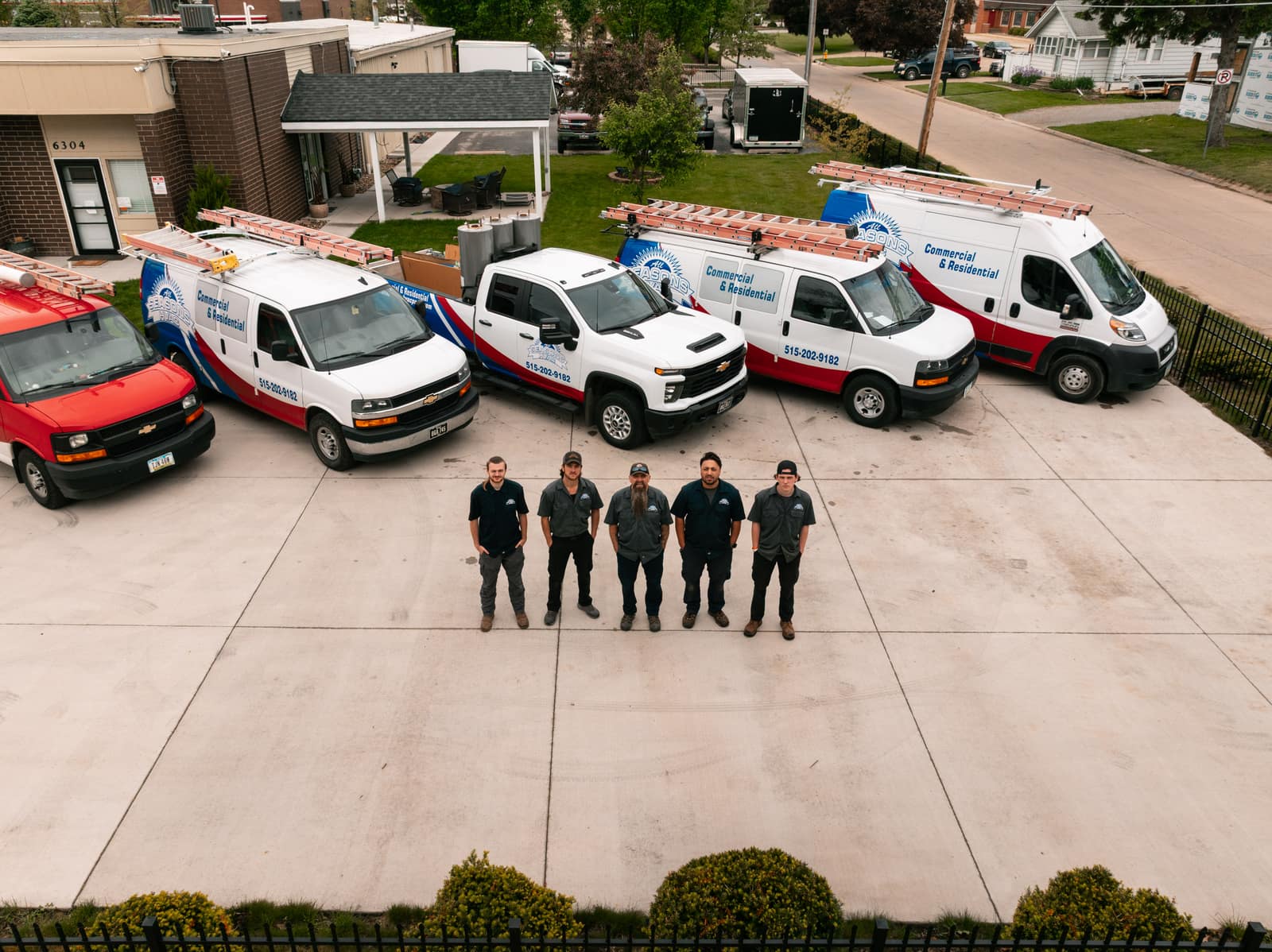
Transitioning to a professional does not mean you have failed; it means you have isolated the problem to a mechanical or electrical failure that requires specialized tools. The value of a professional diagnostic lies in getting an honest, informative assessment that identifies the exact failed component without unnecessary upselling. A fast response is especially critical when dealing with weekend or short-notice breakdowns. At All Seasons HVAC Pros, our team prioritizes quick, reliable service and prompt metro dispatch once basic homeowner triage is exhausted.
Take, for example, a situation our crew handled on a recent spring weekend. A homeowner in a newly built house noticed their brand-new AC system was completely unresponsive. After running through a standard HVAC troubleshooting FAQ checklist and finding no obvious issues, they called our team for help. One of our technicians was dispatched that same Saturday morning on short notice, quickly diagnosing the electrical fault and completing an easy, hassle-free fix. Knowing when to stop troubleshooting and make the call is the best way to protect your equipment and restore your comfort. When the basic steps do not work, bringing in an expert for emergency AC repair is the safest path forward.
Comprehensive Troubleshooting FAQ for Des Moines Homeowners
To help you navigate unexpected cooling issues, we have compiled direct answers to the most common questions homeowners face. This HVAC troubleshooting FAQ is designed to give you quick, actionable information.
Why is my AC running but not cooling?
The short answer is airflow restriction or a refrigerant leak. If you hear the system running but the air coming from the vents is weak or warm, start by checking your air filter. A severely clogged filter stops the cold air from circulating into your rooms. If the filter is clean and the outdoor unit is running, you likely have a refrigerant leak or a failing compressor that requires a professional gauge test.
How do you fix an AC that won't turn on?
Start by checking your thermostat and your electrical panel. Verify that the thermostat has fresh batteries, is set to "cool," and is adjusted lower than the room temperature. Next, check the main electrical panel for a tripped breaker and inspect the indoor unit to see if a clogged condensate drain has tripped the safety float switch. If these three items are clear, the system has an internal electrical fault.
How do I reset my air conditioning unit safely?
You can perform a hard reset by cycling the power at the main breaker. Locate the dedicated HVAC breakers in your electrical panel, flip them completely to the "off" position, and wait at least 60 seconds. This allows the internal logic boards to clear. Flip the breakers firmly back to the "on" position. Wait five minutes for the thermostat to communicate with the system before expecting the compressor to start.
Should I turn off my AC if it is blowing warm air?
Yes, you should turn the system off immediately at the thermostat. Letting an air conditioner run continuously while blowing warm air puts immense strain on the compressor and the blower motor. It often indicates a frozen evaporator coil, a failed condenser fan, or a total loss of refrigerant. Turn the system off to prevent overheating the internal motors and call for a diagnostic.
What is the most common AC repair needed in the Midwest?
Clearing clogged condensate drains and replacing blown dual run capacitors are the most frequent repairs our technicians perform. The heavy summer humidity causes drain lines to fill with algae and sludge rapidly, tripping safety switches. Additionally, the intense heat forces the outdoor unit to cycle on and off frequently, which eventually wears out the capacitor that provides the starting jolt of electricity to the motors.
When should I call a professional for AC repair instead of trying to fix it myself?
Call a professional the moment your troubleshooting requires opening equipment panels. You should only handle external checks: adjusting the thermostat, changing the slide-in filter, clearing debris from the outside unit, and checking the household breaker box. If those steps do not restore cooling, you need a certified technician to handle the high-voltage electrical testing and pressurized refrigerant diagnostics safely.
Restoring Your Home's Comfort Safely
Dealing with a broken air conditioner is never convenient, but having a clear, safe checklist helps prevent panic during a sudden breakdown. By methodically checking your filters, breakers, and thermostat settings, you can confidently rule out the simple issues before spending money on a service call. A reliable HVAC troubleshooting FAQ empowers you to take control of your home's comfort without risking your safety.
Whether you live in a single-family home or a multi-story building, routine care matters. This past spring, a resident in a sixth-floor apartment building reached out to have their HVAC units thoroughly cleaned. The job was handled professionally and politely, restoring the system's efficiency just in time for warmer weather. If your system requires more than a basic filter change or a quick reset, do not push the equipment past its limits. Reach out to explore professional service options and let an expert restore your cooling safely and effectively.
Special Offers
Current promotions & savings
Honest value on the heating and cooling your home depends on — just mention an offer when you reach out, and our team will take care of the rest.
10% OFF
Senior Citizen
*Cannot be combined with other offers or discounts. *Cannot be applied to prior services.
Claim Offer10% OFF
Military & First Responders
*Cannot be combined with other offers or discounts. *Cannot be applied to prior services.
Claim OfferAsk About Savings
First-Time Customer
*Cannot be combined with other offers or discounts. *Cannot be applied to prior services.
Claim OfferRelated Articles

Article
Why Does My Furnace Smell Like Burning? A Mid-Fall Heating Startup Guide
The Shift to Heating: Navigating the Mid-Fall Transition Before the first freeze hits, homeowners across the region begin shifting their attention to seasonal…
Read More
Article
Why Does My Furnace Smell? Answering Your October Heating Questions
The First Fall Freeze: Transitioning Your HVAC System Safely October in Iowa means the weather flips fast, and getting your common homeowner questions answered…
Read More
Article
Furnace Smells on Startup? When to Call an HVAC Contractor in Des Moines, IA
The Startling First Breath of Winter Heating You switch the thermostat from cool to heat, and within minutes, a harsh, acrid odor fills the house. When seeking…
Read MoreWhat Our Clients Say
Customer Testimonials
Real reviews from homeowners who trust All Seasons HVAC for their comfort
Gregorio Trujillo
May 2026
“Called on a Friday afternoon to get my AC going and install me a new thermostat. Saved my weekend!”
Charla Johnson
April 2026
“Very knowledgeable, friendly and professional young men! Ross and Levi cleaned my 2 HVAC units in my apartment today on the 6th floor of a 12 floor building. Nothing but praise from all of my neighbors. So very very polite in every sense of the word. Thank you guys so very much!”
Bailey Mefford
March 2026
“Amazing service! They were able to come out on super short notice when our brand new house's AC system was not working. My husband contacted them the night before (Friday) and they promised to come out the following morning (Saturday) and absolutely kept that promise!”