
Heating Inspection & Testing in Johnston, IA
Johnston, IA home cold spots or high heating bills? Our inspection & testing finds furnace issues. Ensure comfort & efficiency. Request a free estimate!
6304 SW 7th St, Des Moines,
IA, 50315
Mon-Fri: 7am - 5pm
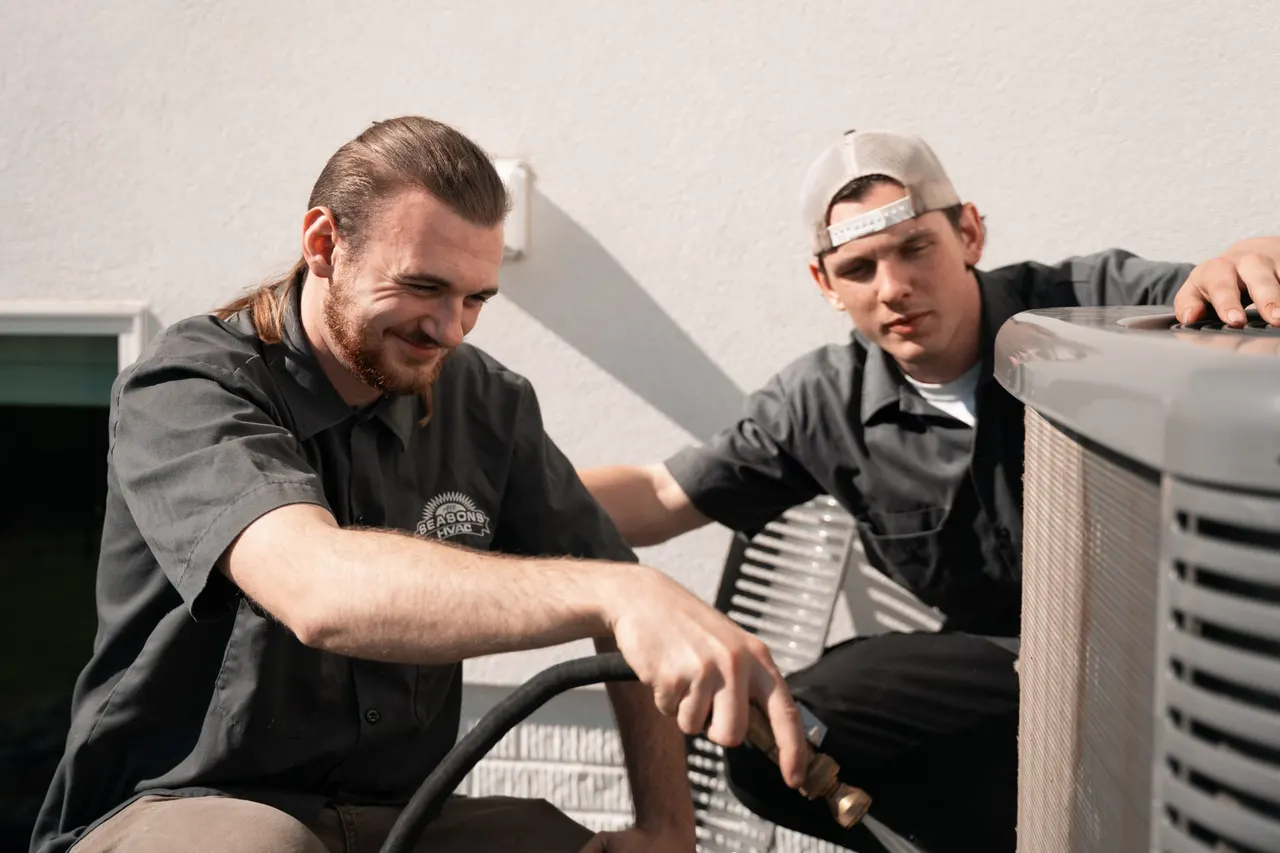
Dealing with Cold Spots and High Heating Bills in Johnston?
Are you noticing stubborn cold spots even when your thermostat is cranked up, or experiencing unexpectedly high energy bills trying to keep your Johnston home warm during our intense Iowa cold snaps? These are not just minor annoyances; they are clear indicators that your heating equipment is struggling under the load and requires professional attention before a complete breakdown occurs. All Seasons HVAC specializes in thorough heating inspection and testing, and we are ready to ensure your home stays safe, efficient, and comfortable regardless of the weather outside.
Warning Signs Your Heating System Requires Immediate Testing
Skyrocketing Energy Bills
Your monthly heating bill might seem unusually high without any significant change in your thermostat settings or daily usage habits. This often indicates your heating system is working much harder than necessary to maintain basic indoor comfort levels. An inefficient system loses its edge due to dirty internal components, failing mechanical parts, or poor airflow through the ductwork.
Beyond the immediate financial drain, this inefficiency places your equipment under severe operational stress. The blower motor draws more amperage as it fights against restricted airflow, and the burners run longer cycles to meet the thermostat's demands. This constant overexertion accelerates premature wear and tear, increasing the likelihood of an expensive breakdown when you need your system the most.
Uneven Heating or Cold Spots
Certain rooms in your Johnston home may feel noticeably colder than others, leaving you bundling up in one area while another room is perfectly warm. This frustrating experience points directly to underlying issues with your ductwork, such as hidden leaks, interior blockages, or poor initial duct design. It is particularly common in older established homes or properties with newer additions that overtax the existing blower motor.
Uneven heating compromises your daily comfort and forces your system to run incredibly long cycles trying to compensate for the drafty, distant areas. Because the thermostat is usually located in a central hallway, it may shut the system off before the conditioned air ever reaches the furthest bedrooms. Professional testing can identify these static pressure imbalances and determine if your system is properly sized for your specific floor plan.
Strange Noises or Odors
You might be hearing sudden grinding, banging, squealing, or rattling sounds coming from your furnace cabinet when the system kicks on. You might also notice unusual smells circulating through your vents, like burning plastic, excessive dust, or a sharp metallic odor. Mechanical noises often signal failing blower motors, worn belts, or loose bearings that require immediate professional adjustment.
A loud banging noise when the system starts is often a sign of delayed ignition, where gas builds up in the combustion chamber before finally igniting with a small, damaging explosion. While a faint burning smell is normal when turning the system on after months of inactivity, a persistent metallic or electrical smell indicates serious wiring issues. A rotten egg smell points to a natural gas leak, which is a critical safety emergency requiring you to leave the house and seek immediate professional intervention.
Frequent Cycling or Constant Running
Your furnace may turn on and off rapidly in a process called short cycling, or it might run almost continuously without ever reaching the temperature set on your thermostat. Short cycling can be triggered by a severely clogged air filter, an oversized system that heats the space too quickly, or a malfunctioning flame sensor that shuts down the burners prematurely. Constant running suggests your system is undersized, has suffered a massive drop in efficiency, or is simply failing to overcome the heat loss through your walls and windows.
Both of these operational failures lead to excessive wear on vital internal components like the igniter, gas valve, and blower motor. The constant starting and stopping draws massive amounts of electricity and drastically shortens the overall lifespan of your equipment. Testing the sequence of operations allows a technician to pinpoint exactly which component is interrupting the heating cycle.
Yellow Pilot Light or Soot Buildup
If you have an older furnace equipped with a standing pilot light or viewable burners, you might observe the flame burning yellow or orange instead of a crisp, steady blue. You may also see dark soot accumulating around the burner assembly, the heat exchanger, or the exterior of the metal cabinet. A yellow flame is a definitive indicator of incomplete combustion, meaning the gas is starved of oxygen and is not burning cleanly.
This incomplete combustion can produce dangerous levels of carbon monoxide, making it a severe safety hazard for everyone inside the property. Soot buildup is the physical byproduct of this improper gas mixture and confirms that the system is operating in a highly dangerous state. Any visual sign of soot or irregular flame color warrants an immediate system shutdown and rigorous professional testing.
What is Causing Your Heating System to Struggle?
Lack of Regular Maintenance
Your heating system is a complex piece of mechanical equipment that requires consistent, professional check-ups to operate safely and efficiently. Without routine oversight, minor calibration issues go unnoticed and gradually escalate into major mechanical failures over time. The heavy, continuous use of heating equipment during intense cold snaps means internal components experience rapid and accelerated wear.
Skipping these essential inspections means stressed parts are never cleaned, lubricated, or adjusted back to factory specifications. A system that is ignored will slowly lose its efficiency rating, costing you more money in utility bills every single month. Thorough testing and maintenance ensure that these small issues are corrected long before they cause a catastrophic failure.
Dirty or Clogged Components
Over time, dust, dirt, and airborne debris accumulate on critical internal components like your air filters, burner assembly, blower motor, and heat exchanger. This buildup acts as a thick insulating blanket, trapping heat inside the furnace cabinet where it does not belong and severely restricting vital airflow. When the heat exchanger cannot properly transfer heat to the passing air, the system can overheat and trigger a safety shutdown.
Residential construction, landscaping changes, and agricultural activity in the broader Des Moines metro area contribute heavily to the airborne particulate matter that clogs these systems. Thorough cleaning of the furnace interior and regular replacement of air filters are absolute requirements to restore proper airflow. Professional testing will measure the static pressure to ensure the air is moving freely without stressing the blower motor.
Aging Equipment
Furnaces and boilers have a finite operational lifespan, typically ranging from fifteen to twenty years before their efficiency drops off significantly. As these systems age, critical components wear out, structural integrity weakens, and mechanical breakdowns become a frequent, frustrating reality. Johnston has a significant number of established homes built decades ago, meaning many properties are still operating with older heating systems nearing the end of their useful life.
An in-depth inspection helps identify these aging components and provides clarity on whether ongoing repairs are still a wise financial investment. If testing reveals that your system is unsafe or too costly to repair, upgrading to a modern, high-efficiency unit is often the smartest path forward. With stress-free financing available, replacing an aging system is a manageable process that guarantees reliable comfort for years to come.
Thermostat Malfunctions
The thermostat serves as the central command center of your entire heating operation, dictating exactly when and how long the equipment should run. If this control unit is faulty, miscalibrated, or suffering from failing batteries, it will send incorrect or erratic signals to the main control board. This miscommunication causes the furnace to short cycle, run constantly, or fail to ignite altogether despite the equipment itself being in good condition.
Testing the thermostat for accuracy and verifying its wiring connections is a crucial step in restoring your system's reliability. Sometimes, dust buildup inside the thermostat housing or a slight bump to the wall can throw off the sensitive temperature sensors. If the unit is beyond repair, upgrading to a modern programmable or smart thermostat can drastically improve your system's efficiency and responsiveness.
What to Expect During Your Heating Inspection and Testing
The Initial Diagnostic Phase
When an All Seasons HVAC professional arrives at your Johnston property, our immediate priority is to ensure your equipment is operating safely and effectively. We begin with a comprehensive visual inspection of the entire unit, checking for obvious signs of wear, physical damage, rust, or moisture leaks. Our technician will listen closely to the system as it runs, identifying any abnormal sounds that could indicate failing mechanical parts.
We will engage you in a conversation about the specific symptoms you have been experiencing, such as cold spots, unusual odors, or rising utility costs. This information helps us narrow down the potential culprits and focus our testing on the most likely areas of concern. We treat your home with the utmost respect, wearing shoe covers and keeping our work area clean throughout the diagnostic process.
Rigorous Safety and Performance Testing
Once the visual inspection is complete, we meticulously test the critical internal components that drive your system's performance and safety. We closely examine the burner assembly and heat exchanger for microscopic cracks, which are a primary source of dangerous carbon monoxide leaks. We meticulously test all integrated safety controls, check the incoming gas pressure, and measure carbon monoxide levels at the vents to guarantee your family's safety.
Airflow will be carefully assessed throughout the home, and we will inspect your accessible ductwork for leaks, disconnections, or obstructions that could be draining your efficiency. We also verify all electrical connections, tighten loose terminals, and test the capacitor and blower motor for proper voltage and amperage draw. Our goal is to evaluate every single step of the heating cycle to ensure flawless operation from start to finish.
Detailed Reporting and Next Steps
After the testing is complete, we provide you with a detailed, easy-to-understand report of our findings alongside any recommended repairs or adjustments. We will clearly explain what is causing your heating issues without using confusing technical jargon, ensuring you have the information needed to make an informed decision. If parts need to be replaced or calibrated, we will provide transparent pricing before any actual repair work begins.
Our experienced team is equipped to handle both residential and commercial properties, bringing a high level of expertise to every single service call. We believe in providing solutions that offer long-term reliability rather than just quick, temporary fixes. You can trust that our thorough testing process will leave you with a clear path toward restoring your indoor comfort.
Related Services to Keep Your Home Comfortable
A comprehensive heating inspection often reveals targeted opportunities to enhance your home's overall comfort and energy efficiency. If our testing uncovers severe structural issues, cracked heat exchangers, or a system that has simply reached the end of its lifespan, our team can discuss your options for a complete Heating Installation & Replacement. For minor adjustments or to maintain peak performance moving forward, consider scheduling a routine Heating Maintenance & Tune-Up service to keep your equipment running smoothly. If your property relies on radiant heat or hot water baseboards rather than forced air, we also provide specialized Boiler Inspection & Testing to ensure those specific systems are operating safely.
The True Cost of Ignoring Heating Problems
Safety Hazards and Equipment Failure
Delaying a professional heating inspection carries significant risks that go far beyond a slight dip in your daily indoor comfort. The most critical concern is always safety, as undetected issues like a cracked heat exchanger or improper combustion can lead directly to carbon monoxide leaks inside your living space. This dangerous gas is completely invisible, odorless, and potentially fatal, making professional testing an absolute necessity for any gas-burning appliance.
Beyond the severe safety risks, ignoring early warning signs almost always leads to catastrophic equipment failure. A failing blower motor that is left unchecked will eventually seize up entirely, causing the entire furnace to overheat and shut down. What might have been a minor, inexpensive adjustment identified during an early inspection can quickly escalate into a massive repair bill.
Financial Impact of Deferred Care
Operating a struggling heating system is incredibly expensive, as the compromised equipment requires vastly more energy to produce the same amount of heat. You will see the financial impact of deferred care every single month as your utility bills continue to climb higher and higher. An inefficient system runs longer cycles, consumes more fuel, and draws more electricity, draining your wallet while providing subpar comfort.
These major failures almost always occur during the most extreme weather conditions when your system is working its absolute hardest to keep up. Emergency repairs during a severe cold snap are stressful, disruptive, and entirely preventable with proactive professional care. Regular, thorough testing extends the lifespan of your equipment, protects your financial investment, and ensures consistent, reliable warmth for your family.
Securing Your Comfort and Peace of Mind
Ensuring your heating equipment is in top condition is essential for both your daily comfort and your family's safety. Do not leave your home's warmth to chance by ignoring the early warning signs of a struggling, inefficient system. All Seasons HVAC is your trusted local expert, ready to provide the peace of mind that comes with a reliable, rigorously tested heating unit. Reach out through our website today to request your service and get your comfort back on track.
Special Offers
Current promotions & savings
Honest value on the heating and cooling your home depends on — just mention an offer when you reach out, and our team will take care of the rest.
10% OFF
Senior Citizen
*Cannot be combined with other offers or discounts. *Cannot be applied to prior services.
Claim Offer10% OFF
Military & First Responders
*Cannot be combined with other offers or discounts. *Cannot be applied to prior services.
Claim OfferAsk About Savings
First-Time Customer
*Cannot be combined with other offers or discounts. *Cannot be applied to prior services.
Claim OfferWhat Our Clients Say
Customer Testimonials
Real reviews from homeowners who trust All Seasons HVAC for their comfort
Gregorio Trujillo
May 2026
“Called on a Friday afternoon to get my AC going and install me a new thermostat. Saved my weekend!”
Charla Johnson
April 2026
“Very knowledgeable, friendly and professional young men! Ross and Levi cleaned my 2 HVAC units in my apartment today on the 6th floor of a 12 floor building. Nothing but praise from all of my neighbors. So very very polite in every sense of the word. Thank you guys so very much!”
Bailey Mefford
March 2026
“Amazing service! They were able to come out on super short notice when our brand new house's AC system was not working. My husband contacted them the night before (Friday) and they promised to come out the following morning (Saturday) and absolutely kept that promise!”