
Water Heater Inspection & Testing in Mitchellville, IA
Mitchellville water heater issues? Expert inspection & testing diagnoses strange noises, no hot water, or leaks.
6304 SW 7th St, Des Moines,
IA, 50315
Mon-Fri: 7am - 5pm
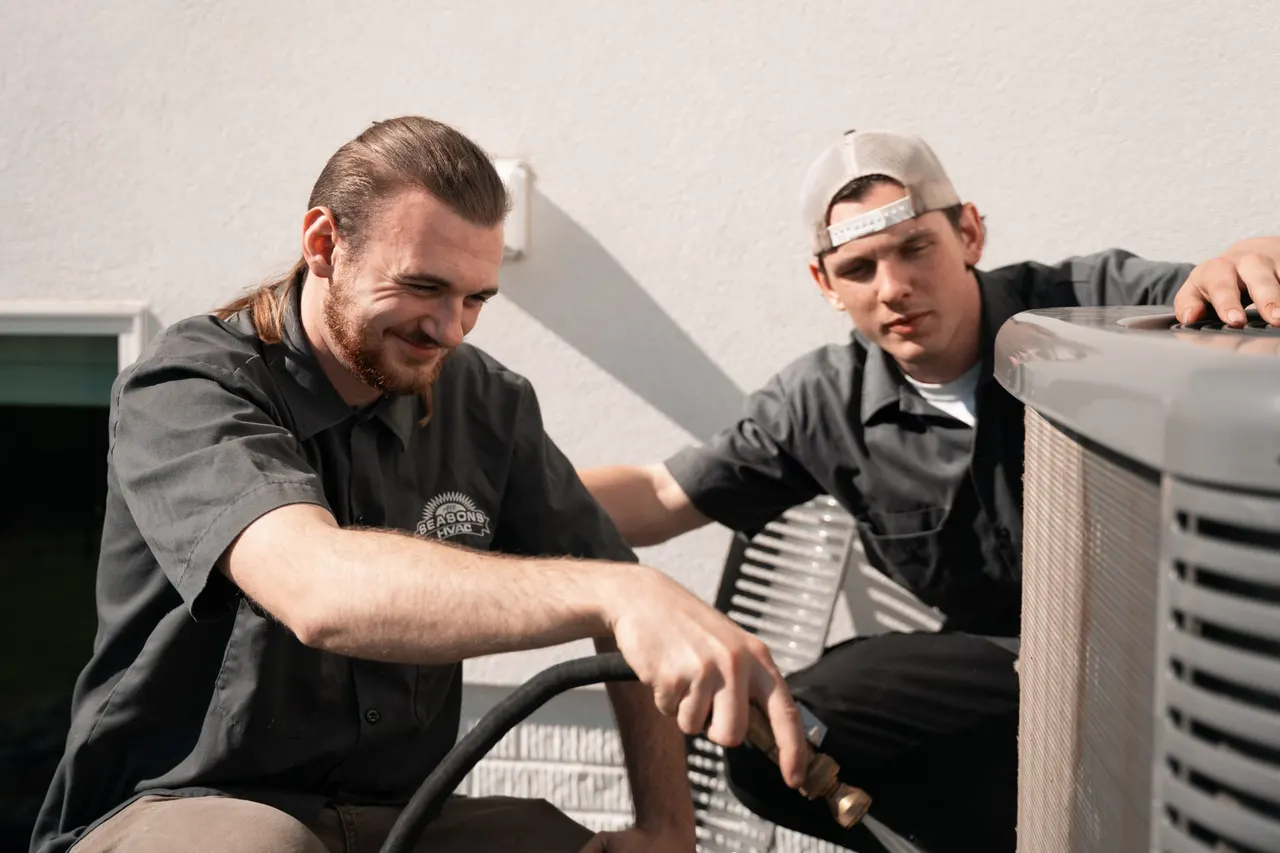
Is Your Mitchellville Water Heater Making Strange Noises or Running Out of Hot Water?
Are you hearing unusual rumbling or popping sounds from your tank, or finding that your family runs out of hot water much faster than usual on a chilly Iowa morning? These aren't just minor annoyances, but critical indicators that your water heater is struggling against sediment buildup or failing components, which can quickly lead to costly water damage if ignored. When your Mitchellville home's water heater starts showing these signs of trouble, the experienced team at All Seasons HVAC is ready to step in, diagnose the exact issue, and restore your daily comfort.
Warning Signs Your Water Heater Needs Professional Attention
Your water heater usually gives you a few hints before it stops working completely. Recognizing these symptoms early can save you from a major headache later.
Strange Noises Coming from the Tank
* You hear banging, popping, rumbling, or hissing sounds emanating from your water heater when it is actively heating water. These noises become much louder or more frequent after a period of heavy hot water use.
These disruptive sounds are almost always a sign of sediment buildup resting at the bottom of the tank. As the heating element turns on, the sediment gets superheated and causes the water trapped beneath it to boil. This boiling action creates steam bubbles that burst through the mineral layer, producing the loud popping and rumbling noises you hear.
This is a very common issue thanks to the hard water found in many Mitchellville homes. As this sediment thickens, it reduces your water heater's efficiency and forces the unit to work much harder to reach the target temperature. Over time, this creates severe hot spots that damage the tank lining, leading to premature failure and potentially a massive leak in your utility room.
Insufficient Hot Water or Running Out Quickly
Your showers are suddenly cut short, leaving you shivering halfway through your morning routine. * You find yourself completely without hot water after running just one load of laundry or the dishwasher. The water coming from your faucets simply never reaches its usual hot temperature.
When your hot water supply drops drastically, it usually points to an issue with the heating elements in an electric unit or the burner in a gas model. It can also mean you have a faulty thermostat that is failing to read the water temperature correctly. In some cases, massive sediment buildup acts as an insulator, physically blocking the heat from reaching the water inside the tank.
Beyond the obvious daily frustration, an inefficient water heater wastes a tremendous amount of energy and drives up your utility bills. Ignoring this symptom almost always leads to a total loss of hot water right when you need it most. Getting a water heater inspection and testing service ensures we catch the failing component before you end up needing an emergency replacement.
Visible Leaks or Rust Around the Unit
You spot unexpected puddles of water pooling around the base of the water heater tank. * You notice active drips falling from the connected pipes or valves. Rust accumulation appears on the outside of the tank or around the pipe connections.
Leaks can stem from several different sources, including a failing temperature and pressure relief valve or loose pipe connections. Rust forming on the outside of the tank is particularly alarming, as it usually indicates advanced corrosion happening on the inside. If the actual metal of the tank is compromised, water will slowly seep through the weakened areas.
Even a tiny, slow drip can lead to severe water damage to your home's structure, fostering hidden mold growth in your basement or utility closet. A rusted tank is a major red flag that the unit is nearing catastrophic failure. Once a tank cracks, it can release dozens of gallons of water in minutes, resulting in extensive flooding.
Discolored or Smelly Hot Water
Your hot water appears murky, rusty, or has a distinct muddy tint when filling the tub. * The water coming from your hot taps has a metallic taste or a foul, rotten egg odor.
Rusty water usually points directly to an expiring anode rod or severe corrosion spreading inside the tank itself. The rotten egg smell is often caused by specific bacteria reacting with the magnesium anode rod, a reaction that happens frequently in areas with certain water chemistries. While the smell is incredibly unpleasant, the rust is the bigger mechanical concern.
Discolored water will stain your plumbing fixtures, ruin your laundry, and leave residue on your dishes. More importantly, it signals that the internal protections of your tank have failed and the water is actively eating away at the steel. Addressing this quickly through professional water heater inspection and testing can sometimes save the unit if caught early enough.
What is Actually Causing Your Water Heater Problems
Understanding what is happening inside that metal cylinder helps make sense of the symptoms you are experiencing. Here are the most common root causes we find when diagnosing water heater issues.
Sediment Buildup Inside the Tank
Over time, heavy minerals like calcium and magnesium naturally settle at the bottom of your water heater tank. This sediment forms a dense, rock-like layer that acts as an insulating barrier between the heating elements and the water. The regional water quality supplied to Mitchellville homes is characterized by its hardness, making this mineral accumulation an incredibly frequent issue.
Regular flushing of the water heater tank is crucial to remove this sediment before it hardens. During an inspection, we evaluate the extent of the buildup and determine the best course of action. If the sediment is caught early, a professional flush can completely restore your system's efficiency.
Aging Components and Internal Corrosion
Like any major household appliance, water heaters have a finite lifespan and their internal parts naturally degrade over time. Components such as heating elements, gas burners, thermostats, and the sacrificial anode rod take a beating every single day. The anode rod is specifically designed to attract corrosive elements and rust away so your tank does not.
Once that anode rod fully depletes, the corrosive forces in the water immediately attack the steel tank, leaving it vulnerable to rust and leaks. Many established homes have units that are well past their prime, making these internal component failures highly likely. We check the condition of these critical parts and replace worn components to significantly extend the life of your unit.
Faulty Temperature and Pressure Relief Valve
The temperature and pressure relief valve is a critical safety device designed to open if conditions inside the tank exceed safe limits. If the water gets too hot or the pressure climbs too high, this valve releases water to prevent the tank from rupturing. If this valve becomes corroded, clogged with hard water scale, or simply old, it can fail to operate correctly.
A failing valve leads to either a constant, annoying drip or a highly dangerous buildup of internal pressure. General wear and tear can cause these safety valves to malfunction in any home, regardless of the unit's age or brand. We carefully test this valve to ensure it will function perfectly in an emergency, keeping your home safe.
Thermostat or Heating Element Malfunctions
For electric water heaters, the internal heating elements can simply burn out from years of expanding and contracting. The thermostat, which regulates the water temperature and tells the elements when to turn on, can also fall out of calibration or fail completely. For gas water heaters, similar issues arise with the gas valve, thermocouple, or pilot light assembly.
These are standard electrical or mechanical failures that prevent the unit from igniting or maintaining the correct temperature. Older units are naturally more susceptible to these sudden component failures. Often, a simple adjustment or the replacement of a specific electrical part can restore proper function without needing a whole new tank.
What to Expect During Your Service Visit
When you schedule a water heater inspection with All Seasons HVAC, you receive a comprehensive, professional assessment designed to ensure your system's safety. Our experienced technicians understand the unique challenges these systems face in the Des Moines metro area. We arrive ready to provide the thorough service needed for reliable year-round comfort.
Initial Assessment and Safety Check
We begin by visually inspecting the entire unit and its surrounding environment for any obvious signs of leaks, corrosion, or physical damage. We check for proper ventilation on gas units to ensure dangerous exhaust fumes are safely routed outside. We also confirm that all safety controls and electrical connections are secure and up to code.
Component Testing and Evaluation
Next, we carefully test the temperature and pressure relief valve to guarantee it will release pressure if necessary. We examine the sacrificial anode rod, as its condition is the single best indicator of your tank's remaining lifespan. We also listen closely for signs of sediment buildup and evaluate the overall water temperature output and recovery rate.
Detailed Report and Next Steps
After the inspection is complete, our technician will sit down with you to provide a comprehensive report of their findings. We explain any hidden issues we discovered in plain language and offer clear, stress-free recommendations for moving forward. If repairs or replacements are needed, we discuss all available options, including our budget-friendly financing.
Related Services You May Need
Maintaining your home's plumbing and comfort systems often involves more than just a single inspection. If our testing reveals that your unit requires immediate attention, our team is fully equipped to provide expert water heater repair and service right then and there. For proactive care after your system is restored, consider scheduling regular water heater maintenance and tune-up visits to prevent future mineral buildup and extend the lifespan of your equipment.
The Cost of Delaying Your Water Heater Inspection
Putting off a professional water heater inspection when you notice minor issues almost always leads to significant problems and much higher costs down the line. What starts as a small inefficiency can quickly snowball into a major household disruption.
Serious Safety Risks
A malfunctioning pressure valve or a hidden gas leak from a faulty unit poses severe safety hazards to your entire family. Excessive pressure can lead to catastrophic tank ruptures, while gas issues carry the risk of carbon monoxide exposure. Rust and minor water leaks can also drip onto wiring, creating serious electrical short hazards.
Increased Utility Bills
Sediment buildup and failing heating components force your water heater to work much harder just to provide lukewarm water. This constant strain consumes significantly more electricity or gas, driving up your monthly utility costs. A proper inspection identifies these hidden inefficiencies so you stop paying for wasted energy.
Premature Failure and Extensive Damage
Small, unaddressed issues like a corroded anode rod or a tiny valve drip escalate rapidly, causing irreversible damage to the steel tank. This forces you into a full water heater replacement much sooner than you anticipated. Furthermore, a small leak can quickly turn into a burst tank, causing thousands of dollars in water damage to your flooring, drywall, and personal belongings.
Keep Your Hot Water Flowing Reliably
Don't let minor plumbing issues turn into major headaches or costly property damage. Proactive inspection and testing ensure your system operates safely and reliably for years to come. If you have noticed warning signs, reach out to All Seasons HVAC today through our website to request an appointment.
Special Offers
Current promotions & savings
Honest value on the heating and cooling your home depends on — just mention an offer when you reach out, and our team will take care of the rest.
10% OFF
Senior Citizen
*Cannot be combined with other offers or discounts. *Cannot be applied to prior services.
Claim Offer10% OFF
Military & First Responders
*Cannot be combined with other offers or discounts. *Cannot be applied to prior services.
Claim OfferAsk About Savings
First-Time Customer
*Cannot be combined with other offers or discounts. *Cannot be applied to prior services.
Claim OfferWhat Our Clients Say
Customer Testimonials
Real reviews from homeowners who trust All Seasons HVAC for their comfort
Gregorio Trujillo
May 2026
“Called on a Friday afternoon to get my AC going and install me a new thermostat. Saved my weekend!”
Charla Johnson
April 2026
“Very knowledgeable, friendly and professional young men! Ross and Levi cleaned my 2 HVAC units in my apartment today on the 6th floor of a 12 floor building. Nothing but praise from all of my neighbors. So very very polite in every sense of the word. Thank you guys so very much!”
Bailey Mefford
March 2026
“Amazing service! They were able to come out on super short notice when our brand new house's AC system was not working. My husband contacted them the night before (Friday) and they promised to come out the following morning (Saturday) and absolutely kept that promise!”