
AC Inspection & Testing in West Des Moines, IA
Experiencing high humidity or soaring energy bills in West Des Moines, IA? Get expert AC inspection & testing to diagnose issues and restore comfort.
6304 SW 7th St, Des Moines,
IA, 50315
Mon-Fri: 7am - 5pm
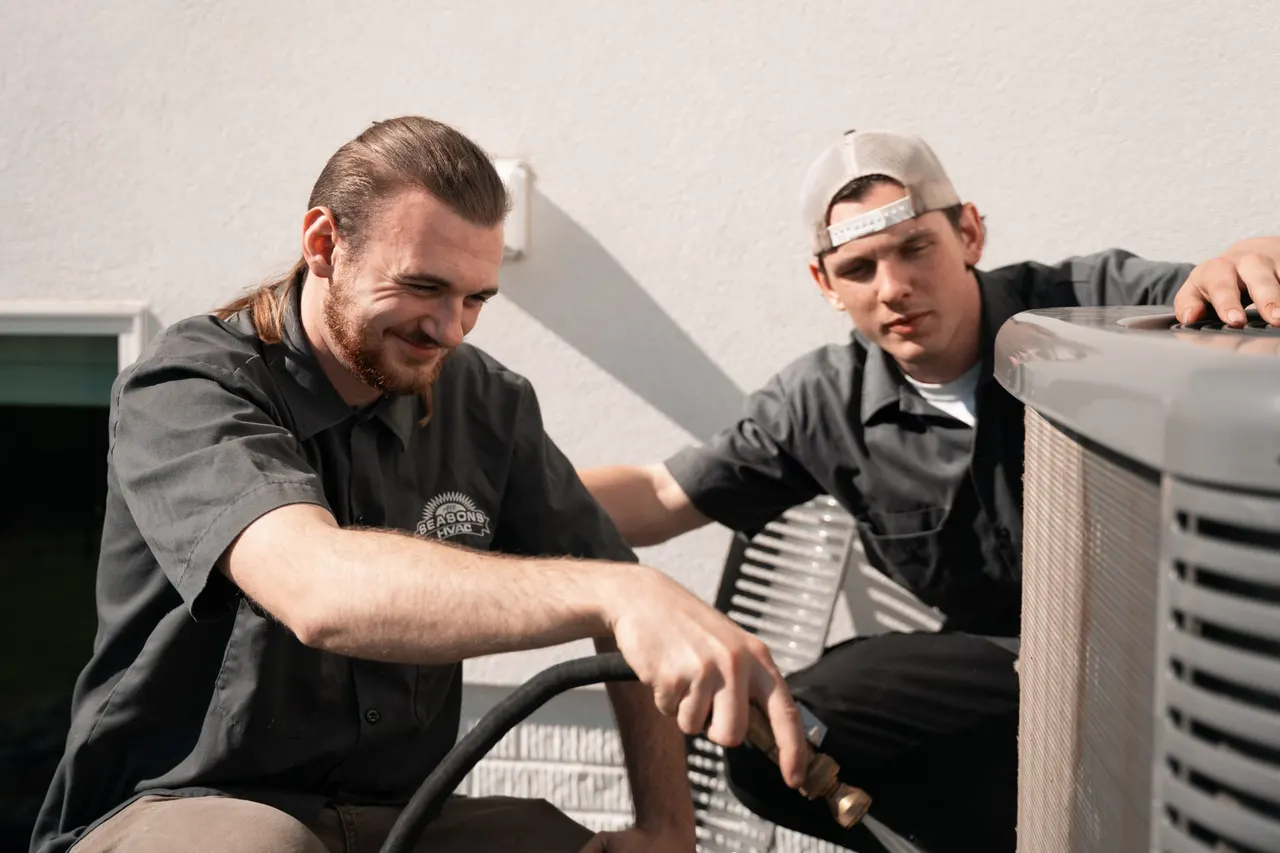
Is Your West Des Moines AC Struggling to Keep Up with the Humidity?
Are you noticing a persistent sticky feeling in your West Des Moines home even when the air conditioner is running constantly, or have strange musty odors and soaring energy bills left you wondering if your system is failing? These are not just minor annoyances, but clear indicators that your cooling equipment is under severe stress and potentially on the verge of a significant mechanical breakdown. Don't let a struggling system disrupt your comfort; All Seasons HVAC is ready to provide thorough AC inspection and testing to diagnose the exact issue and restore your indoor air quality.
Clear Warning Signs Your AC Needs an Inspection
When your cooling system starts to fail, it usually gives you a few subtle hints before completely shutting down. Recognizing these early symptoms can save you from an uncomfortable breakdown and much higher repair costs down the road.
Persistent High Indoor Humidity
* What you notice: Even with the equipment running continuously, your living spaces feel clammy, sticky, or damp. You might spot condensation forming on windows or notice a faint, musty smell in basements and less-used rooms. * What it actually means: Your system is failing to effectively remove moisture from the air, which is a critical function for maintaining comfort in our climate. This specific failure points to severely dirty coils, low refrigerant levels, or hidden issues with the condensate drain. Why it matters: Ignoring high humidity encourages mold growth, creates an uncomfortable environment, and forces you to lower the thermostat, which only wastes energy.
Unexpectedly High Energy Bills
What you notice: Your monthly electricity costs are significantly higher than usual for similar cooling usage. They might also seem to be steadily creeping up year after year without any changes to your daily routine or thermostat settings. * What it actually means: Your equipment is working much harder than it should to achieve the desired temperature because it has lost its operational efficiency. Common culprits include heavy dirt buildup on internal components, low refrigerant pressure, or failing mechanical parts that force the unit to run longer cycles. Why it matters: This inefficiency is a direct drain on your wallet and indicates that the system is operating under extreme stress. Continued operation without addressing the root cause will accelerate wear and tear, eventually leading to a complete and costly breakdown.
Uneven Cooling or Warm Spots
What you notice: Some rooms in your house are significantly warmer than others, or the unit runs continuously but struggles to cool the entire floor plan evenly. You might find yourself adjusting the thermostat constantly just to stay comfortable in the main living areas. * What it actually means: This frustrating symptom often indicates severe airflow problems like completely clogged filters, blocked or leaking ductwork, or a failing blower fan motor. It could also point to an improperly balanced system that is failing to push conditioned air to the furthest reaches of the house. Why it matters: Beyond the daily frustration of uneven temperatures, this means your equipment is overworking in some zones while underperforming in others. This imbalance leads to severe inefficiency and puts dangerous, continuous strain on the compressor.
Strange Noises or Odors from Your AC
What you notice: You hear unusual sounds like heavy grinding, loud hissing, metal clanking, or high-pitched squealing coming from your indoor or outdoor unit. You might also smell something musty, a sharp burning scent, or even a sweet chemical odor wafting directly from the vents. * What it actually means: Harsh noises typically signal severe mechanical problems like failing motor bearings, loose fan blades hitting the housing, or internal compressor damage. Odors can indicate widespread mold growth in the ductwork, an actively burning electrical short, or a dangerous refrigerant leak. Why it matters: These auditory and olfactory clues are often the final precursors to major, catastrophic breakdowns. Certain odors, like burning wires or chemical leaks, can also signify immediate safety and health hazards for your household that require urgent attention.
Frequent Cycling or Constant Running
What you notice: Your unit turns on and off much more frequently than usual, a damaging process known as short cycling. Alternatively, the system might run almost continuously for hours without ever reaching the temperature set on the thermostat. * What it actually means: Short cycling can be caused by an oversized unit, critically low refrigerant, or a faulty thermostat sending rapid, incorrect signals to the control board. Constant running often points to an undersized system, a massive refrigerant leak, or a major airflow restriction blocking the cold air from circulating. * Why it matters: Both of these erratic operational scenarios put excessive, unrelenting strain on the compressor, which is the expensive heart of your cooling system. This leads to premature mechanical wear and significantly shortens the overall lifespan of your equipment.
What is Actually Causing Your AC Problems?
Understanding why your system is struggling helps take the mystery out of the diagnostic process. Our thorough inspections frequently uncover a few common culprits behind these frustrating cooling issues.
Dirty Evaporator and Condenser Coils
Over time, the indoor evaporator coil and outdoor condenser coil accumulate a thick layer of dust, dirt, and grime. The blend of suburban and agricultural environments around West Des Moines contributes to higher levels of airborne dust, making coil fouling a very common issue. This insulating layer of dirt prevents the coils from effectively absorbing heat from inside your home and releasing it outside.
A professional inspection involves thoroughly examining both the indoor and outdoor coils to determine the extent of the buildup. If they are heavily soiled, we use specialized cleaners and equipment to safely wash away the grime. Restoring clean coils immediately improves heat transfer capabilities, restores airflow, and lowers your monthly energy consumption.
Clogged Condensate Drain Line
The humid air drawn into your system creates condensation on the cold evaporator coil, which then drips into a drain pan and flows outside. Our consistently high humidity provides an ideal breeding ground for algae and mold to grow inside this moisture-rich environment. This biological growth eventually creates a thick sludge that causes the line to clog and back up into your home.
During our testing, we carefully check the drain pan and the entire length of the condensate line for standing water or blockages. Technicians will flush and clear the drain line, often using a wet/dry vacuum to remove the obstruction completely. We also apply specialized treatments to ensure proper drainage and prevent future algae blooms from forming.
Low Refrigerant Levels
Refrigerant is the vital substance that absorbs heat from your living spaces and carries it outside to the condenser. If your system is low on refrigerant, it means there is a physical leak somewhere in the sealed copper lines or internal coils. Many homes in older, established neighborhoods have aging equipment that is highly susceptible to these wear-and-tear leaks.
An inspection includes connecting digital gauges to check the exact refrigerant pressure and temperature within your system. If the levels are low, the technician will use electronic leak detectors to identify the exact source of the escaping gas. Once the leak is found, we can discuss options to repair the compromised copper and properly recharge the system to factory specifications.
Electrical Component Deterioration
Critical electrical components like capacitors, contactors, and wiring naturally degrade over time due to constant use, heat exposure, and power fluctuations. Severe weather rolling through the Midwest often brings power surges or brownouts that stress and prematurely wear out these sensitive parts. A failing run capacitor, for instance, can prevent the outdoor fan or the compressor from starting entirely.
During an inspection, technicians will test these electrical components with a multimeter to check for proper capacitance and resistance. We look for signs of burnt wiring, pitted contactors, or swollen capacitors that indicate an impending failure. Replacing these weak parts proactively prevents a complete system breakdown when you need cooling the most.
Neglected Air Filters
The air filter is your system's first line of defense, preventing dust, pet dander, and other airborne particles from entering the blower motor. The presence of agricultural dust, nearby construction, and high pollen counts mean filters can get dirty incredibly fast in our area. Once clogged, the filter severely restricts vital airflow, making your system work twice as hard for half the cooling output.
While changing the filter is often a homeowner task, a comprehensive inspection always includes checking its condition and the static pressure of the ductwork. If the filter is packed with dirt, the solution is simply to replace it with a clean, appropriately rated pleated filter. Keeping up with this basic step protects the blower motor from overheating and keeps your indoor air fresh.
What to Expect During the Service Visit
When you schedule an inspection with All Seasons HVAC, you can expect a thorough and professional process designed to pinpoint any underlying issues. Our experienced technicians arrive fully equipped to perform a comprehensive evaluation of your entire cooling infrastructure. We start by listening to your concerns, noting any specific symptoms or strange noises you have recently noticed.
Our team performs a rigorous multi-point inspection to ensure no detail is overlooked. We verify thermostat calibration, assess the air filter, test all electrical connections, and measure refrigerant pressures against manufacturer specifications. We also conduct a visual scan of your ductwork, inspect the fan motor assembly, and measure the temperature drop across the coils to confirm overall performance.
Detailed Reporting and Options
Following the physical inspection, our technician will provide a detailed, plain-language report of their findings. We explain any identified problems, show you the damaged components if possible, and offer clear recommendations for moving forward. As your Des Moines metro HVAC specialists, we provide stress-free financing options to ensure any necessary repairs fit comfortably within your budget.
Related Services You May Need
An inspection is a vital diagnostic step, but it often reveals the need for further action to fully restore your comfort. If our testing identifies specific broken parts or refrigerant leaks, we can seamlessly transition into comprehensive AC Repair & Service to fix the issue on the spot. We also offer AC Maintenance & Tune-Up and Heating Repair & Service to ensure your entire property remains efficient and comfortable year-round.
Why This Matters and the Cost of Waiting
Delaying an inspection or ignoring the subtle warning signs your equipment is giving you can have significant and costly consequences. Minor issues rarely resolve themselves; instead, they slowly escalate into major mechanical failures that require expensive interventions. For example, a small refrigerant leak forces the compressor to run hotter and longer, eventually leading to a complete, catastrophic failure of the system's most expensive component.
Preventing Premature Replacement
Beyond the immediate risk of a breakdown, a struggling system consumes substantially more electricity, driving up your utility bills month after month. A clogged condensate drain can also overflow, causing severe water damage to your ceilings, walls, or flooring. Proactive testing is a small investment that prevents these massive headaches, protects your property, and ensures reliable operation when you need it most.
Keep Your West Des Moines Home Cool and Comfortable
Don't let a struggling air conditioner diminish your comfort, inflate your energy bills, or compromise your indoor air quality. Trust the experienced local professionals to accurately diagnose your cooling issues before they turn into complete emergencies. Reach out through our website today to schedule your inspection with All Seasons HVAC and ensure your system operates efficiently and reliably.
Special Offers
Current promotions & savings
Honest value on the heating and cooling your home depends on — just mention an offer when you reach out, and our team will take care of the rest.
10% OFF
Senior Citizen
*Cannot be combined with other offers or discounts. *Cannot be applied to prior services.
Claim Offer10% OFF
Military & First Responders
*Cannot be combined with other offers or discounts. *Cannot be applied to prior services.
Claim OfferAsk About Savings
First-Time Customer
*Cannot be combined with other offers or discounts. *Cannot be applied to prior services.
Claim OfferWhat Our Clients Say
Customer Testimonials
Real reviews from homeowners who trust All Seasons HVAC for their comfort
Gregorio Trujillo
May 2026
“Called on a Friday afternoon to get my AC going and install me a new thermostat. Saved my weekend!”
Charla Johnson
April 2026
“Very knowledgeable, friendly and professional young men! Ross and Levi cleaned my 2 HVAC units in my apartment today on the 6th floor of a 12 floor building. Nothing but praise from all of my neighbors. So very very polite in every sense of the word. Thank you guys so very much!”
Bailey Mefford
March 2026
“Amazing service! They were able to come out on super short notice when our brand new house's AC system was not working. My husband contacted them the night before (Friday) and they promised to come out the following morning (Saturday) and absolutely kept that promise!”