Why Knowing How Often Should You Service Your HVAC Could Save You Thousands
How often should you service your HVAC is one of the most important questions a homeowner can ask — and most people only ask it after something breaks.
For most homes in Des Moines and across Central Iowa, the short answer is:
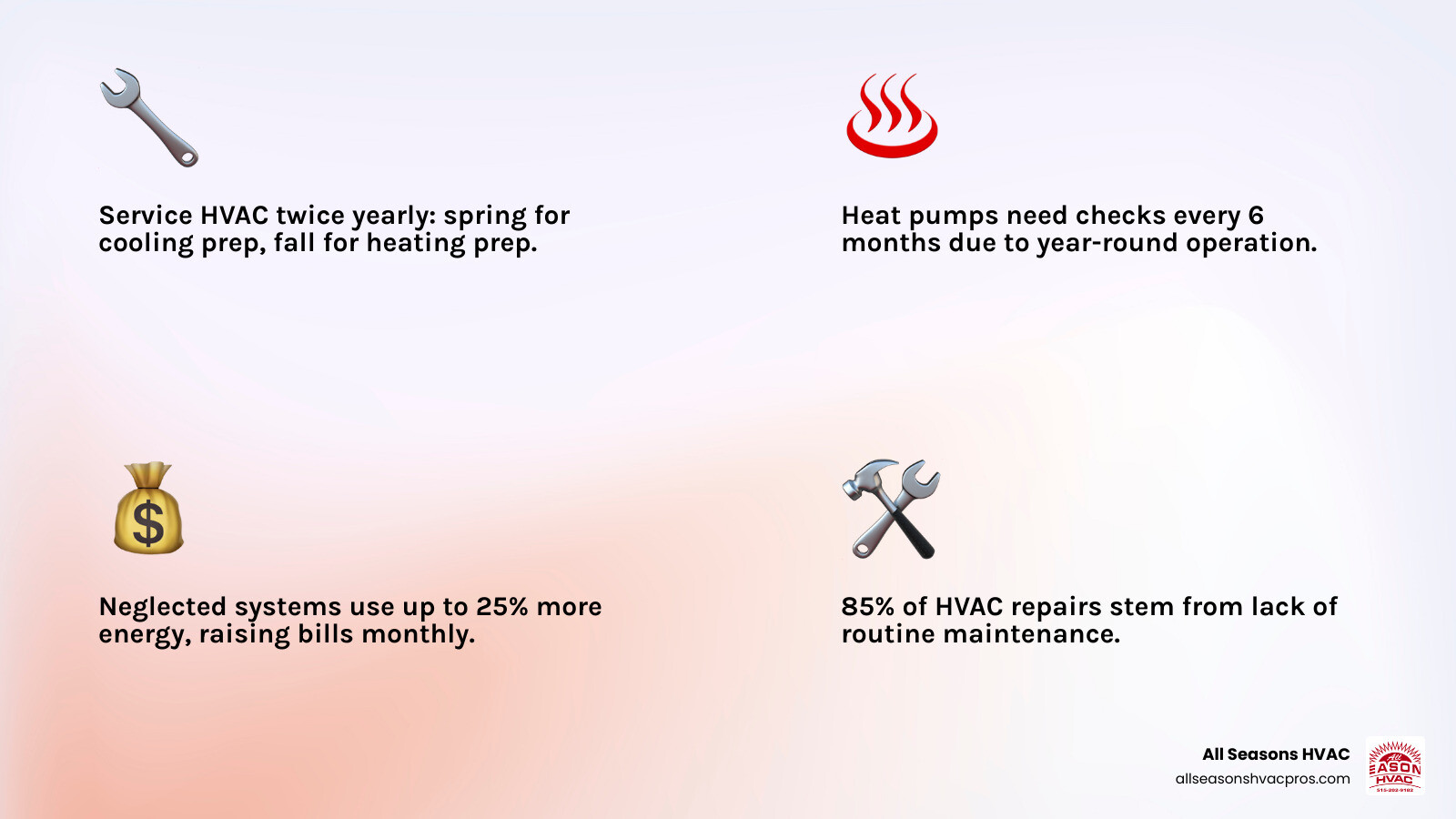
- Twice a year — once in spring before cooling season, and once in fall before heating season
- Heat pumps: every 6 months, since they run year-round
- Older systems (10+ years): at minimum twice a year, possibly more
- Mild usage or vacation homes: once a year at minimum
That simple schedule can mean the difference between a system that lasts 15–20 years and one that gives out in 10 — and between energy bills that stay predictable and ones that quietly creep up year after year.
Here’s the uncomfortable truth: 85% of HVAC repairs are linked directly to a lack of routine maintenance. A system that isn’t serviced regularly can use up to 25% more energy just to do the same job. For a budget-conscious homeowner, that’s money leaving your pocket every single month — not just when something breaks.
Iowa winters are harsh. Iowa summers are humid. Your HVAC system works hard in both directions, and it needs consistent care to keep up.
How Often Should You Service Your HVAC System?
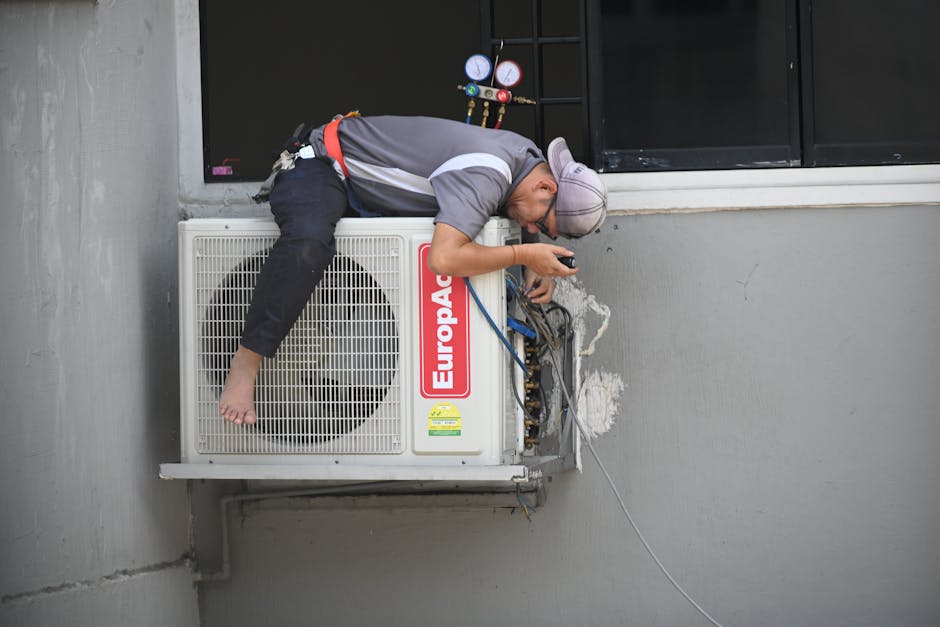
Determining how often should you service your hvac isn’t just about following a rule of thumb; it’s about protecting one of the most expensive investments in your home. While many people think of their furnace or air conditioner as “set it and forget it” appliances, they are actually complex mechanical systems that require precision tuning.
The industry gold standard is a biannual schedule. Think of it like a dental check-up for your home. You schedule your spring cooling tune-up to ensure the AC is ready for the first 90-degree day in July, and you schedule your fall heating tune-up to ensure your furnace won’t fail when a January blizzard hits Des Moines.
Beyond just comfort, there are several critical reasons to stick to this twice-yearly rhythm:
- Manufacturer Warranties: Most modern HVAC brands require proof of annual professional maintenance to keep your warranty valid. If a major component like a compressor or heat exchanger fails, the manufacturer may deny your claim if you haven’t had the unit serviced.
- System Age: As systems enter their “mid-life” (6–10 years) or “older” (11+ years) stages, parts begin to wear down. More frequent inspections help us catch these worn parts before they cause a total system shutdown.
- Usage Intensity: In Central Iowa, we don’t have many “mild” months. We go from heavy heating to heavy cooling quickly. This high usage puts more strain on motors, belts, and electrical components than it would in a more temperate climate.
Understanding the choosing HVAC service benefits helps you see that maintenance isn’t a cost—it’s an investment that pays for itself through lower utility bills and fewer emergency calls.
How often should you service your HVAC in Des Moines?
Living in Central Iowa presents unique challenges for HVAC systems. Our climate is characterized by extreme temperature swings and high humidity levels during the summer months. This humidity doesn’t just make you feel sticky; it forces your air conditioner to work twice as hard to remove moisture from the air.
Because of the dust, pollen, and agricultural debris common in areas like Ankeny and Waukee, coils can become clogged faster than in other regions. For residents here, Des Moines AC maintenance and Ankeny AC maintenance are essential every spring. Neglecting this leads to “short cycling,” where the system turns on and off too frequently, leading to premature motor failure.
How often should you service your HVAC heat pump?
Heat pumps are the marathon runners of the HVAC world. Unlike a furnace that rests in the summer or an AC that sleeps in the winter, a heat pump works year-round to provide both heating and cooling.
Because they lack a “seasonal downtime,” heat pumps must be serviced every six months without exception. During the fall visit, we pay special attention to the defrost cycles and supplemental heating elements to ensure you aren’t left in the cold when temperatures drop below freezing. If you are in the western suburbs, keeping up with Waukee AC maintenance for your heat pump ensures it can handle the transition from cooling to heating mode seamlessly.
The Ideal Maintenance Schedule for Central Iowa Homes
Timing is everything. You don’t want to realize your AC is broken on the hottest day of the year when every HVAC company in the state is booked out for weeks. By scheduling during the “shoulder seasons,” you get priority service and peace of mind.
| Season | Timing | Primary Focus |
|---|---|---|
| Spring Prep | March – May | AC cleaning, refrigerant levels, electrical checks |
| Fall Prep | September – November | Furnace safety, heat exchanger inspection, carbon monoxide testing |
Scheduling heating maintenance in Grimes, IA during the early autumn allows us to identify potential cracked heat exchangers or faulty ignitors before you actually need to turn the thermostat up. Similarly, West Des Moines AC maintenance in the spring ensures your system is optimized for efficiency before the humidity spikes.
Why Regular Servicing is Essential for Your Home’s Comfort
If we told you that you could spend one dollar today to save six dollars tomorrow, you’d take that deal every time. That is the reality of HVAC maintenance. Research shows that annual maintenance provides a 3:1 to 6:1 Return on Investment (ROI).
Here is how those savings manifest:
- Energy Efficiency: A well-tuned system uses 10–30% less energy. When coils are dirty, your system might use up to 40% more electricity just to reach the same temperature.
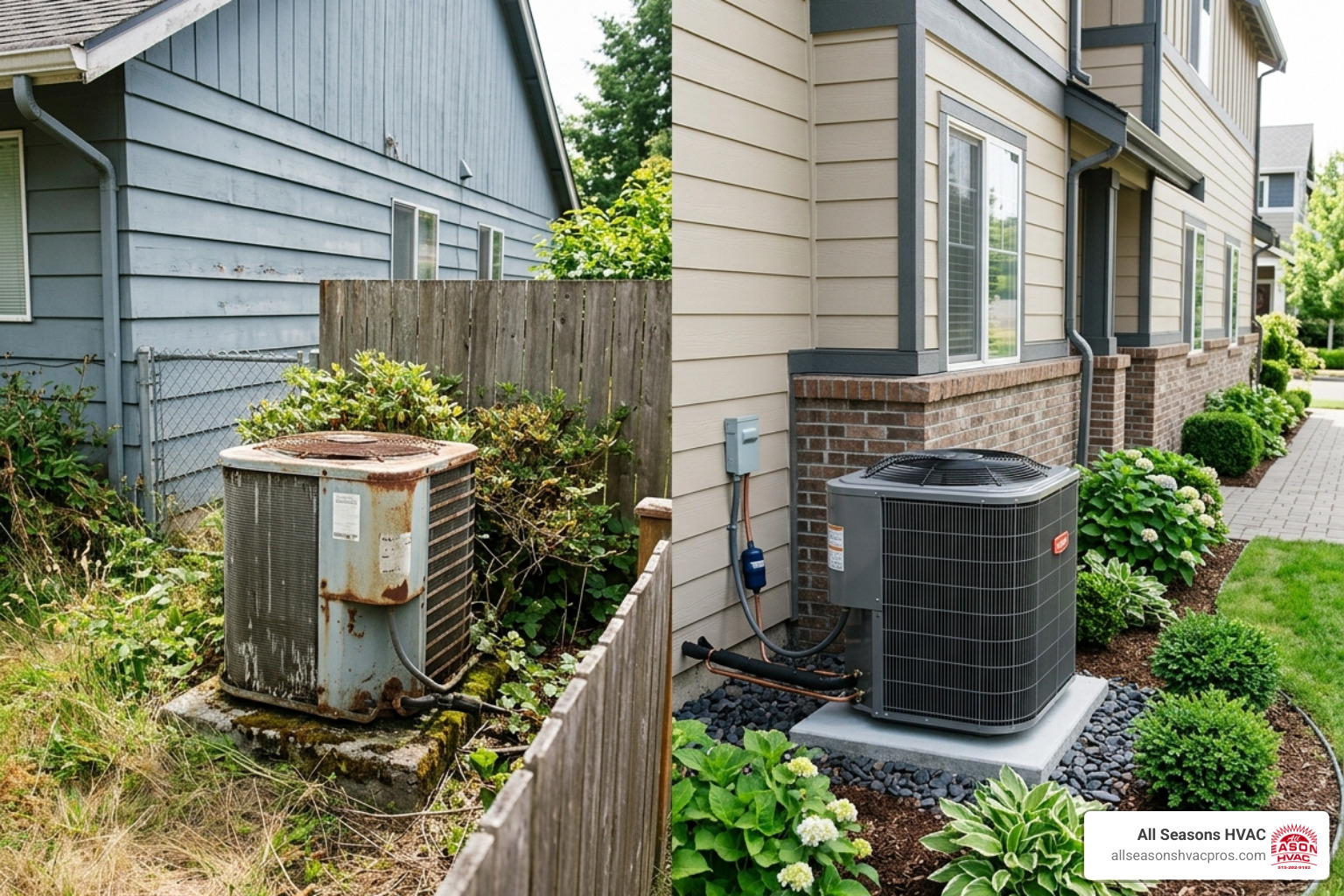
- Extended Lifespan: A neglected system typically lasts 10–12 years. A well-maintained one can easily reach 15–20 years or more.
- Indoor Air Quality: Your HVAC system is the lungs of your home. Regular Norwalk AC maintenance involves cleaning the components that otherwise collect dust, mold, and allergens, which are then circulated through your living spaces.
- Reliability: Since 85% of repairs are preventable, regular Indianola AC maintenance drastically reduces the chance of an emergency breakdown during a holiday weekend or a record-breaking heatwave.
What to Expect During a Professional Maintenance Visit
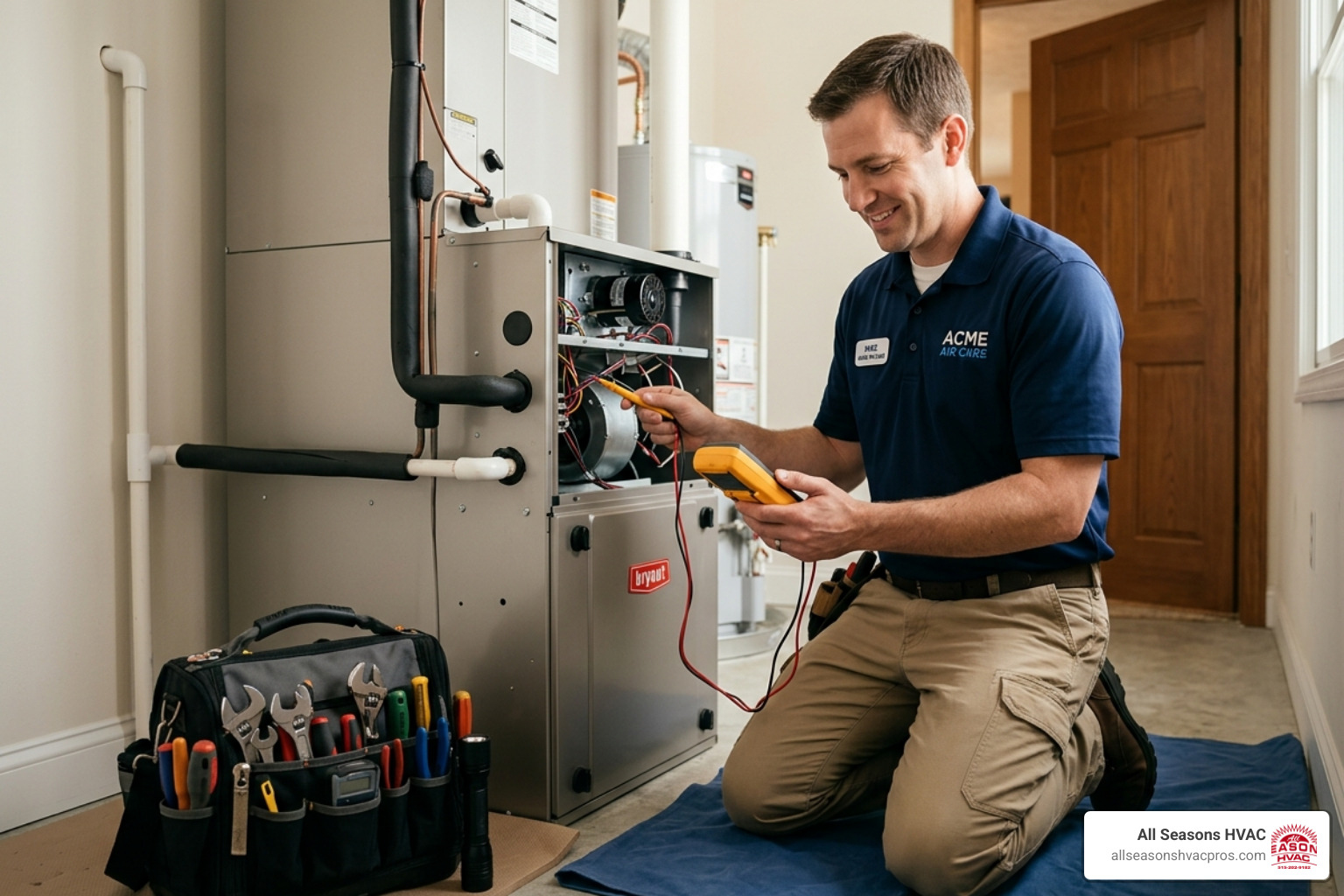
A professional tune-up is much more than just a quick glance at your unit. When our technicians arrive at your home in Johnston or Altoona, they follow a rigorous checklist designed to optimize every part of the system.
A typical visit includes:
- Cleaning the Coils: We clean both the evaporator and condenser coils. Dirty coils reduce efficiency by 15–25% because they can’t transfer heat effectively.
- Checking Refrigerant Levels: Low refrigerant levels (often caused by tiny leaks) can reduce efficiency by 10–20% and eventually destroy your compressor.
- Electrical Inspection: We tighten all electrical connections and measure voltage and current on motors. Loose connections are a fire hazard and can lead to component failure.
- Thermostat Calibration: We ensure your thermostat is communicating correctly with your system so you aren’t paying for cooling or heating you don’t need.
- Condensate Drain Clearing: We clear the lines to prevent water damage to your home and stop algae growth that can cause clogs.
- Safety Checks: For furnaces, this is the most critical step. We check for gas leaks and inspect the heat exchanger for cracks that could leak deadly carbon monoxide into your home.
Whether it’s a residential unit or you’re looking for signs commercial HVAC needs service, these technical steps ensure the machinery is operating within the manufacturer’s specified parameters.
Signs You Need to Schedule Service Sooner Than Planned
Even with a regular schedule, your system might “tell” you it needs help between visits. If you notice any of the following, don’t wait for your next scheduled appointment:
- Unusual Noises: Banging, squealing, or grinding noises often indicate a loose belt or a motor bearing that is about to fail.
- Weak Airflow: If you feel very little air coming out of your vents, you could have a clogged filter, a failing blower motor, or a leak in your ductwork.
- Rising Utility Bills: If your usage hasn’t changed but your bill has spiked, your system is struggling to stay efficient.
- Short Cycling: If the unit turns on and off every few minutes, it’s under immense stress and needs immediate attention.
- Strange Odors: A “burning” smell could indicate electrical issues, while a “musty” smell often points to mold in the coils or drain line.
Just as you might look for water heater maintenance tips when your showers turn cold, paying attention to these HVAC red flags can save you from a total system replacement. Maintaining your water heater and HVAC system together ensures your entire home remains a sanctuary of comfort.
Frequently Asked Questions
How often should I change my air filters?
This is the single most important DIY task you can perform. You should inspect your filters monthly. In a standard home, you should replace them every 1–3 months. However, if you have pets, smokers, or family members with allergies, you should change them every 30 days. Clogged filters can raise energy bills by 5–15% and are a leading cause of frozen AC coils.
Is a maintenance plan worth it?
Absolutely. Most maintenance plans pay for themselves through energy savings alone. Beyond the math, they offer “set it and forget it” convenience. At All Seasons HVAC, we provide automated reminders and priority scheduling, ensuring our plan members are at the front of the line when the seasons change. It also creates a documented service history, which is vital for warranty compliance and home resale value.
How often should air ducts be cleaned?
While your mechanical system needs service twice a year, your ductwork generally needs professional cleaning every 3 to 5 years. However, if you have recently completed a home renovation (drywall dust is incredibly destructive), discovered mold growth, or moved into a new home, you should schedule a cleaning sooner. Clean ducts improve airflow efficiency and significantly boost indoor air quality.
Conclusion
Your HVAC system is the heartbeat of your home’s comfort. In the unpredictable climate of Central Iowa—from the humid summers of West Des Moines to the freezing winters of Ankeny—consistency is the key to longevity. By answering the question of how often should you service your hvac with a proactive biannual approach, you protect your wallet, your air quality, and your peace of mind.
At All Seasons HVAC LLC, we take pride in being the local experts that families in Des Moines, Waukee, Indianola, and beyond trust for their year-round comfort. We offer budget-friendly financing plans to ensure that essential maintenance and upgrades are accessible for every household.
Don’t wait for the smoke or a mid-winter breakdown. Schedule your professional maintenance today and let us ensure your home stays comfortable in every season.