
The Impact of Extreme Temperature Swings on System Performance
How Des Moines metro climate affects your HVAC system is something every homeowner in Central Iowa feels in their utility bills and comfort levels, season after season. Des Moines sits in IECC Climate Zone 5A — a classification that means your home must endure roughly 6,500 heating degree days per year, summer humidity levels between 52% and 82%, and temperature swings that can shift 40 degrees in a single day. That’s an enormous amount of stress on any heating and cooling system.
Here’s a quick look at how each season hits your HVAC:
| Season | Main Challenge | HVAC Impact |
|---|---|---|
| Winter | Polar vortex cold snaps, lows near 13°F or below | Furnace runs longer cycles, uses more energy, parts wear faster |
| Spring | Rapid temperature swings, high pollen | Frequent mode switching between heat and cool strains components |
| Summer | Heat waves plus high humidity (“corn sweat”) | AC works harder on moisture removal, raising energy use |
| Fall | Sudden cold fronts, temperature drops | System transitions from cooling to heating, increasing cycling wear |
Heating alone accounts for 43% of the average Iowa home’s energy bill — and that number climbs when your system is aging, undersized, or poorly maintained. Central air conditioners in Iowa typically last 12 to 15 years before efficiency drops significantly, and our climate is a big reason why.
Whether you’re dealing with skyrocketing energy bills, uneven temperatures, or a system that runs constantly without keeping up, understanding your local climate is the first step toward making smarter HVAC decisions.
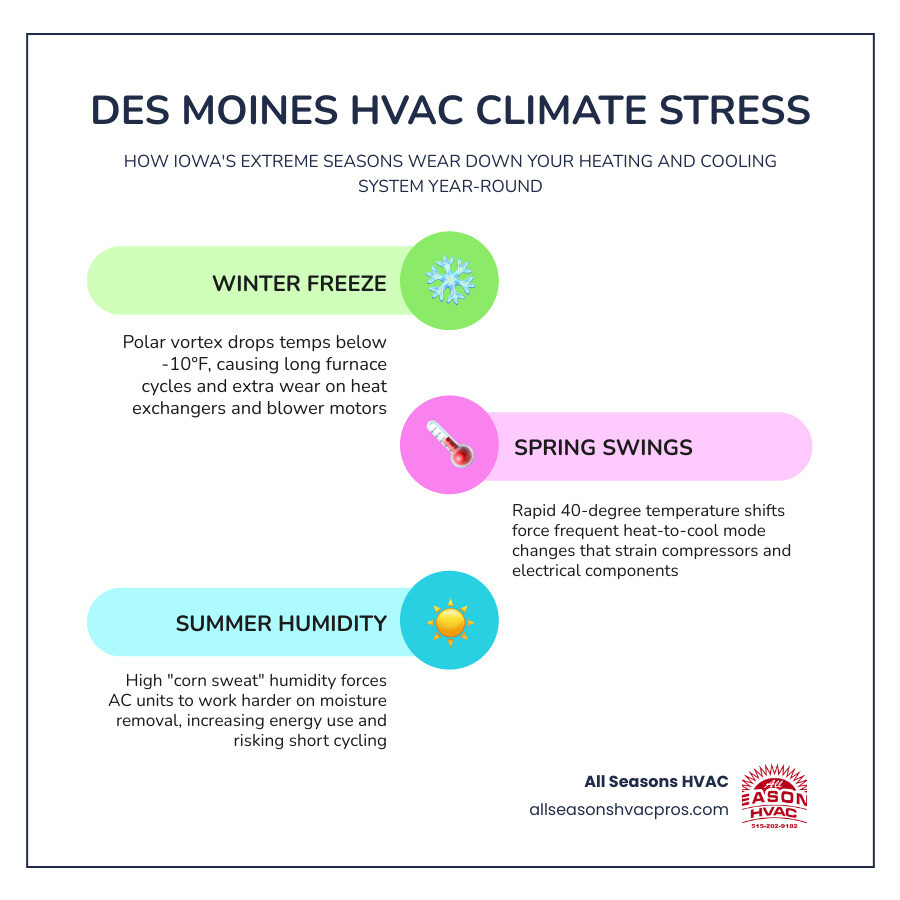
In Central Iowa, we don’t just get “seasons”—we get weather events. From the bone-chilling polar vortexes that send January temperatures plummeting to -10°F to the triple-digit heat waves in July, your HVAC system is constantly pushed to its physical limits.
When the mercury drops significantly below freezing, your furnace enters “long cycling” mode. This means it runs almost continuously to keep up with the heat loss through your walls and windows. While this is necessary for comfort, it places immense strain on the blower motor and heat exchanger. Conversely, during a humid Des Moines summer, an oversized or struggling AC might engage in “short cycling”—turning on and off rapidly. This prevents the system from properly dehumidifying the air and leads to premature compressor failure.
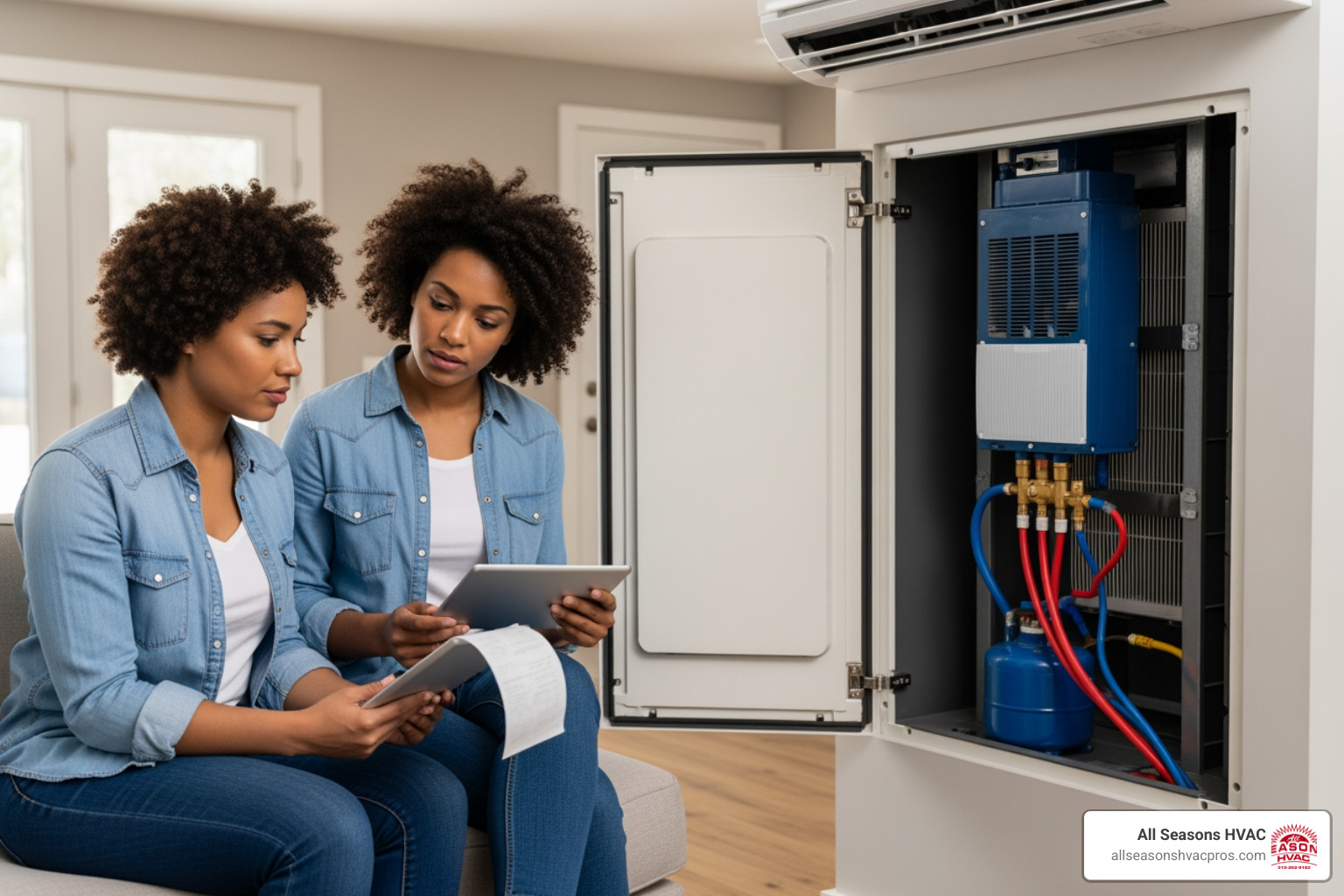
Recognizing these patterns is vital. If your furnace is making strange grinding noises or failing to reach the set temperature during a cold snap, you should look for Signs You Need Heating Repair. Similarly, if your home feels clammy or your outdoor unit is icing over in August, it might be time to review the Signs You Need AC Replacement.
Managing Rapid Spring and Fall Transitions
The “shoulder seasons” in Des Moines, Ankeny, and Waukee are notorious for their volatility. It’s not uncommon to run the heat at 6:00 AM and the air conditioning by 3:00 PM. This frequent mode switching forces the system to reverse its internal processes constantly, which can lead to thermostat calibration issues and increased mechanical wear.
During these transitions, air quality also becomes a major factor. Spring pollen and fall dust can quickly clog air filters, forcing your system to work harder to pull air through the return vents. This is Why Timely Heating Repair Is Crucial; catching a small electrical glitch in October can prevent a total system lockout during the first blizzard of the year.
How Des Moines Metro Climate Affects Your HVAC System Efficiency and Lifespan
The physics of Iowa’s climate is essentially a stress test for metal and electronics. The constant expansion and contraction of components due to extreme temperature shifts can cause refrigerant leaks and weakened electrical connections over time. While a well-maintained system in a milder climate might last 20 years, the 12–15 year lifespan is the reality for most units in the Des Moines metro.
Because heating and cooling account for over half of your home’s energy usage, efficiency isn’t just a buzzword—it’s a financial necessity. Upgrading to a high-efficiency system can drastically reduce that 43% energy bill impact. To understand the long-term value, consider The Real ROI of Keeping Your HVAC Happy.
| Feature | Standard Efficiency (Old) | High-Efficiency (Modern) |
|---|---|---|
| AFUE (Heating) | 80% (20 cents of every $1 wasted) | 96% – 98% (Near-total fuel utilization) |
| SEER2 (Cooling) | 10 – 13 | 18 – 22+ |
| Blower Motor | Single-speed (On/Off) | Variable-speed (Quiet, steady flow) |
| Comfort | Hot/Cold spots | Even temperatures throughout |
The Role of Humidity and “Corn Sweat”
If you’ve lived in Iowa long enough, you’ve heard of “corn sweat.” Scientifically known as evapotranspiration, this occurs when our millions of acres of corn crops release moisture into the atmosphere. A single acre of corn can release up to 4,000 gallons of water per day! This sends Des Moines humidity levels into the “air you can wear” category.
Your AC has two jobs: sensible cooling (lowering the temperature) and latent cooling (removing moisture). When humidity is high, the AC has to work twice as hard. If your indoor humidity rises above 60%, you risk mold growth in your ductwork and a “clammy” feeling in your living room. Aiming for 30–50% humidity is the sweet spot for health and comfort. Discover the Top Benefits of Year-Round HVAC Care to keep your system’s dehumidification capabilities at peak performance.
Choosing the Right Equipment for Central Iowa’s Variable Weather

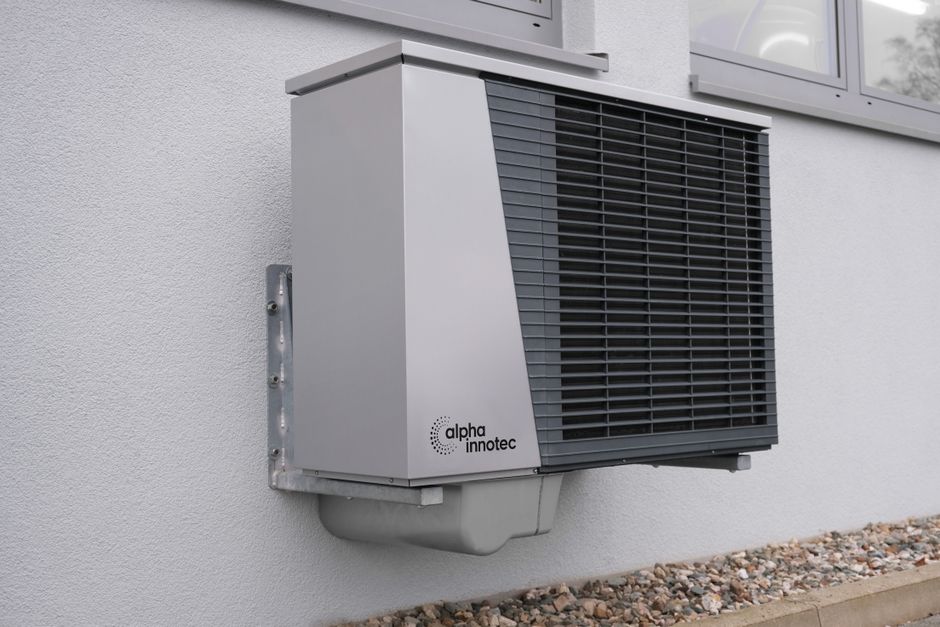
The best HVAC setup for our four-season weather isn’t just about raw power; it’s about smart technology. Modern cold-climate heat pumps have revolutionized how we heat homes in the Midwest. Unlike the heat pumps of twenty years ago, today’s inverter-driven units can provide efficient, reliable heat even when it’s -13°F outside.
These systems use variable-speed compressors to “sip” energy rather than gulping it, providing a steady stream of warmth rather than the blast-and-stop cycle of older furnaces. To keep these advanced systems running, follow these Heat Pump Maintenance Tips: How to Keep Your System Happy.
Why dual-fuel systems are the best way how Des Moines metro climate affects your HVAC system choices
For many homeowners in areas like Indianola or Grimes, a dual-fuel (hybrid) system is the “Goldilocks” solution. This setup pairs an electric heat pump with a gas furnace backup.
- Mild Days: The heat pump handles the heating with incredible efficiency.
- Extreme Cold: When the temperature drops below a certain threshold (usually 20°F), the system automatically switches to the gas furnace for that “rugged 4×4” heating power.
This flexibility ensures you aren’t overpaying for gas in the spring but aren’t left shivering during a polar vortex. Understanding The Anatomy of a Professional HVAC Tune-Up will help you see how we calibrate these hybrid systems for maximum savings.
Critical Maintenance to Combat Local Environmental Stressors
Maintenance in Des Moines isn’t just about the machine; it’s about the environment around it. In the spring, “cottonwood snow” (seeds from cottonwood trees) can coat your outdoor AC coils like a thick blanket, causing the system to overheat. In the winter, heavy snow can block furnace intake and exhaust vents, leading to dangerous carbon monoxide backups.
Regularly changing your filters every 30 to 90 days is the single most important thing you can do to prevent a “dust to bust” scenario. Neglecting this simple step is one of the primary Risks of Neglecting Your System. Additionally, don’t forget the other major appliance that works harder in the winter: your water heater. Check out these Water Heater Maintenance Tips to avoid a cold shower on a sub-zero morning.
Seasonal tune-ups: Addressing how Des Moines metro climate affects your HVAC system throughout the year
A professional tune-up is like a physical for your home. We check refrigerant levels, tighten electrical connections that may have loosened due to vibration or temperature shifts, and inspect the integrity of your ductwork.
In the Des Moines metro, we recommend a “Spring for AC, Fall for Furnace” schedule. This ensures that your system is never caught off guard by a sudden change in weather. While we are there, we often find that Maintaining Your Water Heater at the same time can save you from costly emergency repairs later.
Maximizing Comfort with Smart Controls and Insulation
Even the best HVAC system will struggle if your home is “leaky.” About 90% of US homes have inadequate insulation, and in a climate like ours, that’s like trying to heat a tent. Upgrading your attic insulation to R-60 and sealing the “Big Five” (attic hatches, recessed lights, duct joints, plumbing chases, and door frames) can save you up to 20% on heating costs.
Pairing a well-insulated home with a smart thermostat is the ultimate power move. These devices can save Des Moines homeowners approximately $180 per year. They learn your habits and adjust the temperature based on whether you are home, at work in downtown Des Moines, or sleeping, ensuring you never pay to heat an empty house.
Frequently Asked Questions about Des Moines HVAC
Can a cold-climate heat pump really handle an Iowa winter?
Yes! Modern cold-climate heat pumps are engineered for sub-zero performance. Using inverter technology, they can extract heat from the outside air even when it feels frigid to us. Most are rated down to -13°F or lower. For total peace of mind, pairing them with a gas furnace in a dual-fuel setup ensures you have a backup for those rare nights when the temperature drops even further.
What are the best thermostat settings for Des Moines summers?
The Department of Energy recommends setting your thermostat to 78°F when you are at home. While this sounds warm, using a ceiling fan can make the room feel 4 degrees cooler. When you are away for more than 8 hours, raising it to 88°F can save 5-15% on your electricity bill. This setting is high enough to save money but low enough to allow the AC to cycle occasionally to remove “corn sweat” humidity.
What rebates are available for HVAC upgrades in 2026?
As of 2026, there are significant incentives for upgrading. Federal tax credits can provide up to $2,000 for qualifying heat pump installations. Additionally, local utility companies in the Des Moines metro often offer rebates for high-efficiency furnaces and smart thermostats. These incentives can often cover a significant portion of the upgrade, with a payback period of just 4 to 7 years through energy savings.
Conclusion
Understanding how Des Moines metro climate affects your HVAC system is the key to a comfortable, affordable home. From the humidity of July to the “polar plunges” of January, your system works tirelessly to protect your family.
At All Seasons HVAC LLC, we are proud to be your local experts in “Iowa-proofing” your home. Whether you need a quick repair in Ankeny, a new installation in Waukee, or a seasonal tune-up in West Des Moines, our team is here to help. With our budget-friendly financing plans, year-round comfort is more affordable than ever. Don’t wait for the next weather extreme—Contact our experts for a climate-ready HVAC system in Des Moines today!