What Every Homeowner Should Know About the 2025-2026 Refrigerant Changes
Understanding how AC refrigerant changes affect homeowners starts with one reassuring fact: you almost certainly do not need to rush out and replace your air conditioner. That said, the changes happening right now — and what they mean for repairs, new equipment, and long-term costs — are worth knowing before your system needs service.
Here is a quick summary of what the refrigerant transition means for you:
- Your existing R-410A system can still be used and serviced after January 1, 2026
- New AC systems installed after January 1, 2026 must use A2L refrigerants like R-32 or R-454B
- R-410A refrigerant will remain available for repairs but may become harder to find and more expensive over time
- You cannot mix old and new refrigerants, and new A2L systems cannot be retrofitted into older equipment
- New A2L systems are safe for homes and have been used successfully in Europe for over a decade
- Rebates and incentives may be available if you choose to upgrade to a newer, lower-emission system
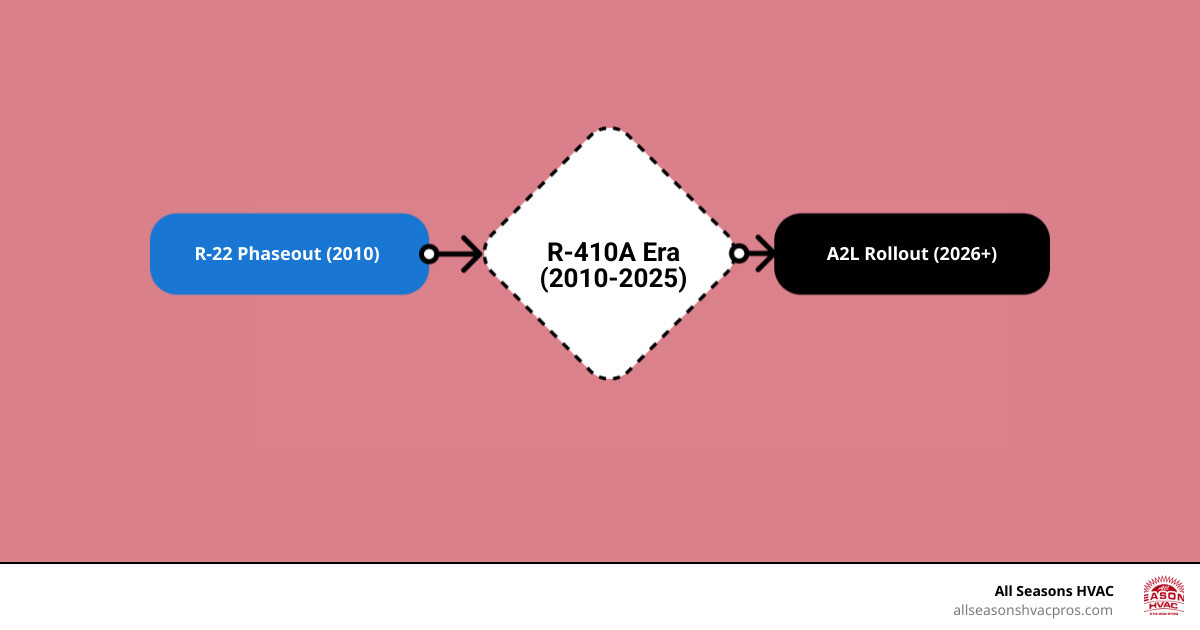
The HVAC industry is going through its biggest refrigerant shift since R-22 (commonly known as Freon) was phased out. That transition took years to fully play out — and this one will too. The U.S. Environmental Protection Agency (EPA) is driving the change, requiring manufacturers and installers to move away from R-410A because of its high Global Warming Potential (GWP). The goal is a switch to lower-emission refrigerants that do less harm to the climate over time.
For most homeowners in Des Moines and across Central Iowa, the immediate impact is minimal if your system is running well. But if your AC is aging, needs frequent repairs, or is approaching the end of its useful life, the timing of this transition matters more — and knowing the facts now puts you ahead of the curve.
How AC Refrigerant Changes Affect Homeowners in 2026
The shift we are seeing in 2026 isn’t just a trend; it’s a federal requirement. The Environmental Protection Agency (EPA) has established these rules as part of a broader effort to phase down Hydrofluorocarbons (HFCs). These are the chemicals used in AC systems that, while effective at cooling your home, have a high Global Warming Potential (GWP) if they leak into the atmosphere.
What the 2025-2026 refrigerant changes actually mean
In practical terms, the manufacturing of air conditioners using R-410A has already been winding down. The biggest milestone for homeowners is January 1, 2026. As of this date, HVAC technicians can no longer install new residential cooling systems that rely on R-410A. Any new equipment installed after this cutoff must utilize the new A2L class of refrigerants.
This creates a manufacturing shift where the industry is moving toward equipment designed specifically for these new substances. If you are buying a home or replacing a system in the Des Moines area during this time, you’ll likely notice that the equipment available for purchase has changed to meet these federal compliance standards.
Why R-410A is being replaced
You might remember the transition from R-22 (Freon) to R-410A (Puron). While R-410A was an improvement because it didn’t deplete the ozone layer, it still has a high GWP. The new policy change focuses on finding “lower-emission” alternatives. By switching to refrigerants like R-32 or R-454B, the industry can achieve significant environmental goals without sacrificing the cooling power we all rely on during those humid Iowa summers.
Do You Need to Replace Your Current AC?
One of the most common questions we hear is whether homeowners are legally required to rip out their current unit. The short answer is: No. There is no reason to panic. If your system is cooling your home effectively, you can keep right on using it.
Do homeowners need to replace their existing R-410A air conditioners?
If your current R-410A system is in good working order, there is no mandate to replace it. You can continue to use it for the remainder of its natural lifespan, which is typically between 12 and 18 years. The transition only affects what you can buy new after the 2026 deadline. We recommend focusing on end-of-life planning rather than immediate replacement if your system is still reliable.
Can existing R-410A systems still be repaired and serviced after 2026?
Yes, we can still service your R-410A system. Licensed technicians will still have access to replacement parts and refrigerant for repairs. However, because the production of R-410A is being phased down, the supply will eventually tighten. This mirrors what happened with R-22; as the supply decreases, the costs for the refrigerant itself often increase. Regular maintenance is the best way to prevent leaks and ensure you don’t need expensive “top-offs” down the road.
What to do if your AC needs repair during the transition
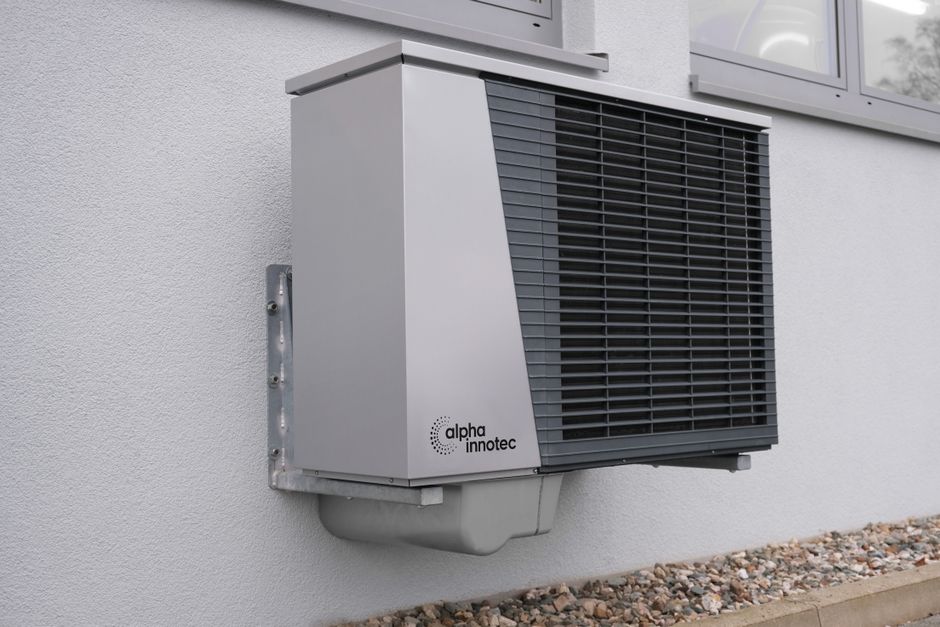
If your AC stops cooling this summer, the first step is always a professional diagnosis. We will confirm which refrigerant your system uses (usually found on the nameplate of the outdoor unit). If we find a leak, it is more important than ever to fix it rather than just adding more refrigerant. To help you identify trouble early, check out our guide on Ac Refrigerant Leak Signs to see if your system is showing red flags.
A2L Refrigerants Explained: R-32, R-454B, and Home Safety
The term “A2L” sounds like something out of a science textbook, but it’s simply a safety classification. The “A” stands for low toxicity (safe for people), and the “2L” stands for “mildly flammable.” This is a new category that sits between non-flammable refrigerants and highly flammable ones like propane.
How AC refrigerant changes affect homeowners who buy a new system
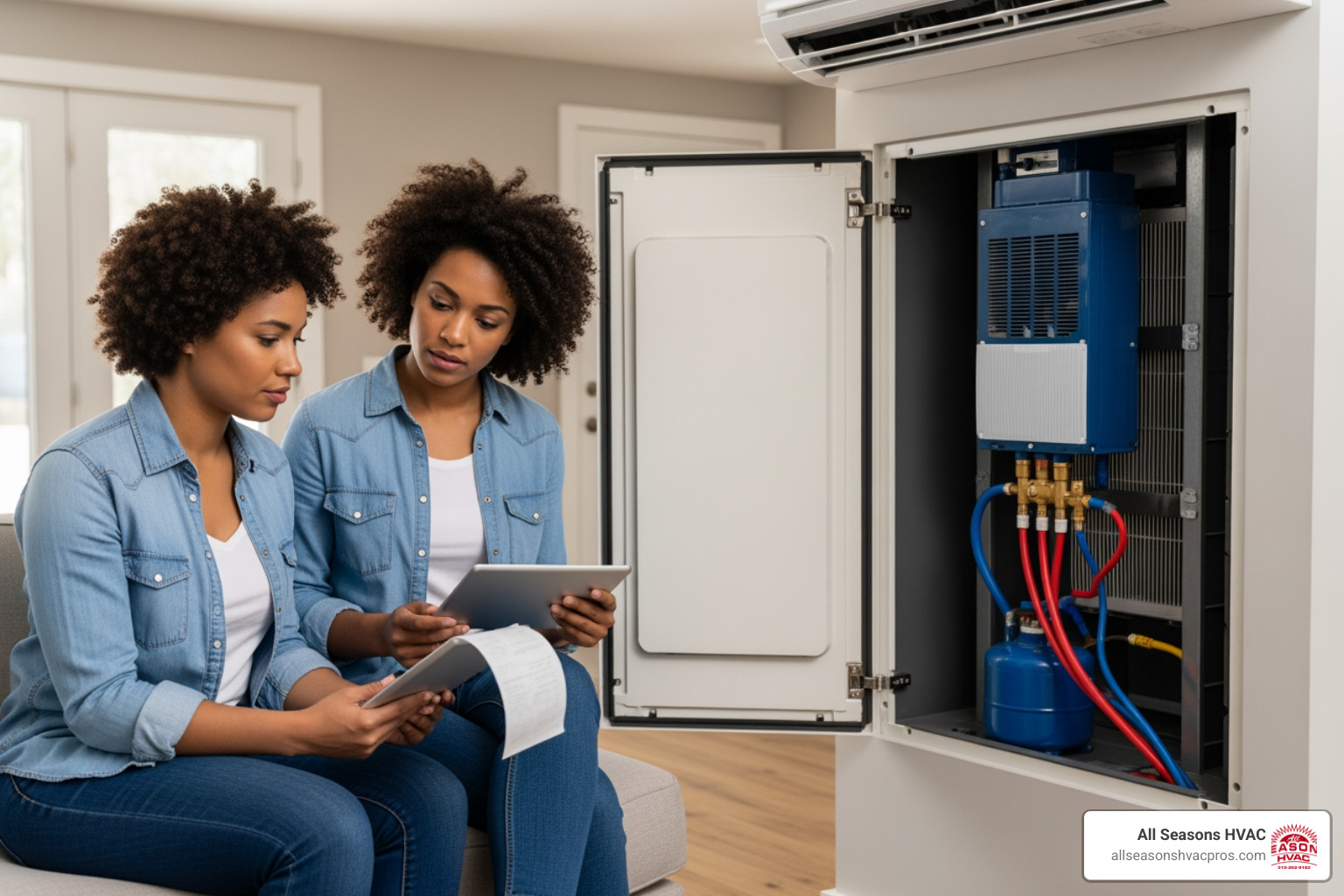
When you purchase a new system in 2026, it will be designed with these A2L properties in mind. This means the equipment will include updated controls and safety sensors that weren’t necessary in older R-410A units. These sensors are designed to detect leaks and, if necessary, shut down the system or activate the blower fan to disperse the refrigerant safely.
Are A2L refrigerants safe for homes?
Absolutely. While the “mildly flammable” label can sound intimidating, these refrigerants are very difficult to ignite under normal household conditions. In fact, A2L refrigerants have been used safely in Europe and other parts of the world for over a decade. The safety features built into the new units, combined with updated local building codes and installation standards, ensure that your home remains safe.
Can new A2L refrigerants be used in older R-410A systems?
This is a critical point: You cannot retrofit an old system to use new refrigerant. The chemical properties and operating pressures are different. A2L refrigerants require specific compressors, seals, and safety components. If you have an R-410A system, it must always use R-410A. Mixing them or trying to “upgrade” the gas inside can lead to catastrophic system failure and will void your warranty.
| Feature | R-410A (Current) | A2L (R-32 / R-454B) |
|---|---|---|
| GWP (Global Warming Potential) | High (~2,088) | Low (Under 700) |
| Safety Class | A1 (Non-flammable) | A2L (Mildly Flammable) |
| New Installations | Allowed until Jan 1, 2026 | Required after Jan 1, 2026 |
| Safety Sensors | Not Required | Standard in New Units |
| Efficiency | High | Even Higher (in many cases) |
What Changes Homeowners Should Expect With Repairs, Availability, and New Installations
As the market shifts, the way we handle repairs and installations will evolve. We want our neighbors in Ankeny, Waukee, and Des Moines to be prepared for these subtle changes in the HVAC landscape.
Will R-410A refrigerant become unavailable or too expensive for repairs?
While R-410A won’t disappear overnight, its availability will decrease as federal production quotas drop. Over time, the industry will rely more on “reclaimed” refrigerant — gas that has been recovered from old systems and purified for reuse. For homeowners with older systems that develop major leaks, you may find that the cost of the refrigerant itself makes a full system replacement a more logical financial decision.
How the transition affects new AC installations
New installations after the 2026 deadline may take slightly longer as technicians follow updated code compliance protocols for A2L equipment. The equipment itself is more sophisticated, featuring those safety components we mentioned earlier. We are training our teams to ensure that every installation meets these new standards perfectly, ensuring your manufacturer warranty remains valid and your system runs at peak efficiency.
Are there rebates or incentives for upgrading to low-GWP systems?
The good news is that there are often financial incentives for moving to eco-friendly technology. Depending on the timing of your purchase, you may be eligible for:
- Federal Tax Credits: Under programs like the Inflation Reduction Act, high-efficiency systems often qualify for significant credits.
- Utility Rebates: Local Central Iowa utility providers sometimes offer rebates for installing high-SEER2 systems.
- Manufacturer Promotions: Brands often provide seasonal discounts when they roll out new product lines.
- Financing: We offer budget-friendly financing plans to help make these new, efficient upgrades more affordable for your family.
How to Prepare Now and Avoid Last-Minute Surprises
The best way to handle how AC refrigerant changes affect homeowners is to be proactive. You don’t want to find out your 15-year-old system is obsolete during a 95-degree July heatwave.
A simple homeowner checklist for the refrigerant transition
- Check Your Nameplate: Look at the sticker on your outdoor unit. Does it say R-22, R-410A, or something else?
- Review System Age: If your unit is over 12 years old, start a “replacement fund” now so a future upgrade isn’t a surprise.
- Keep Maintenance Records: Systems that are well-maintained are less likely to leak, saving you from high refrigerant costs.
- Fix Leaks Immediately: If your AC isn’t cooling, don’t just “top it off.” Have a pro find and fix the leak.
- Ask Questions: During your next spring service, ask your technician about the condition of your coils and how much longer they expect your current refrigerant type to be easily available.
Best next steps for Central Iowa homeowners
At All Seasons HVAC, we’ve been helping families in Des Moines, West Des Moines, Johnston, and surrounding areas navigate these industry changes for years. Whether you need a simple tune-up to keep your R-410A system running or you want to explore the new energy-efficient A2L options, we are here to help.
For more information on keeping your current system in top shape, visit our air conditioning services page.
Frequently Asked Questions About How AC Refrigerant Changes Affect Homeowners
Can I still use my old refrigerant if my AC uses R-410A?
Yes. It is perfectly legal to continue using and repairing an R-410A system. The 2026 deadline only applies to the installation of new equipment. If your system needs a repair, we can still provide the necessary service and refrigerant.
Will comfort feel different with the new refrigerants?
No. In fact, most A2L refrigerants like R-32 are actually more efficient at transferring heat than R-410A. Your home will feel just as cool, and you might even see a slight improvement in your energy bills due to the higher efficiency of the new equipment.
Should I replace both indoor and outdoor units at the same time?
Yes, this is more important than ever. Because the new refrigerants operate differently, the indoor evaporator coil and the outdoor condenser must be perfectly matched. Replacing only one half of the system will lead to poor performance, safety sensor errors, and likely a voided warranty.
Conclusion
The “Great Refrigerant Phase Down” doesn’t have to be a source of stress. By staying informed about how AC refrigerant changes affect homeowners, you can make smart decisions for your home’s comfort and your budget. The key takeaways are simple: maintain your current system to avoid leaks, and when the time comes to upgrade, look forward to a safer, more efficient, and more environmentally friendly cooling solution.
If you have questions about your specific AC unit or want to schedule a seasonal inspection to ensure your system is ready for the years ahead, our team at All Seasons HVAC is ready to assist. We proudly serve Des Moines, Ankeny, Waukee, and the entire Central Iowa region with reliable, expert service.
For more details on how we can help you stay comfortable, check out our air conditioning services.